Picture this: a quiet Saturday afternoon, the kitchen lights dimmed, a stubborn batch of lemon cake sitting in the oven, and a neighbor’s voice echoing from the next door, “You really think you’re going to beat that lemon cake?” I was half‑joking, half‑challenged, and the moment the timer dinged, I was left staring at a golden, slightly puffy dome that smelled like sunshine on a balcony. That was the moment I realized I had stumbled upon a recipe that could turn any ordinary dessert into a showstopper. I dared you to taste this and not go back for seconds, and I’ve been living with that dare ever since. I’m not just talking about a lemon cake; this is a lemon ricotta marvel that marries the bright citrus zing with a silky, airy texture that melts in your mouth like a warm breeze. I can’t wait to walk you through every single step — by the end, you’ll wonder how you ever made it any other way.
If you’ve ever tried a lemon cake that felt like it was made in a hurry, you’ll know the disappointment that follows. The crust is often too dense, the crumb too heavy, and the lemon flavor gets lost in a sea of sugar. That’s why this recipe is a breath of fresh air. The secret lies in the ricotta, which brings a moistness that rivals a sponge cake, and the precise balance of baking soda and salt that gives the cake lift without compromising flavor. It’s a recipe that has been tested, tweaked, and perfected in the heat of a bustling kitchen, and the result is a cake that’s both light and utterly decadent.
What sets this version apart isn’t just the ingredients; it’s the approach. I’ve stripped away the fluff and focused on the fundamentals that make a cake truly remarkable. The batter is silky, the crumb is airy, and the citrus is front and center—no blandness here. I’ve added a subtle twist with the use of whole milk ricotta, which not only adds moisture but also a slight tang that pairs beautifully with the lemon zest. The result? A cake that feels like a cloud of sunshine on a plate, with a finish that lingers on the palate and invites you to taste again.
Most recipes get this completely wrong. They either overbake the cake, under‑season it, or forget that ricotta can be a game‑changer. I’ll be honest — I ate half the batch before anyone else got to try it. The first bite was so bright and fresh that I almost cried. The second bite was still better, and by the third, I was already planning the next bake. If you’ve ever struggled with this, you’re not alone — and I’ve got the fix. I’ve distilled years of trial and error into this one simple, fool‑proof recipe.
What Makes This Version Stand Out
The cake is a testament to precision, flavor, and technique. Let’s break down the elements that make this lemon ricotta cake a standout.
- Flavor: The bright, fresh lemon is balanced by the subtle tang of ricotta, creating a depth that’s both sweet and savory.
- Texture: A light, airy crumb that doesn’t feel heavy, thanks to the leavening blend and careful folding of the batter.
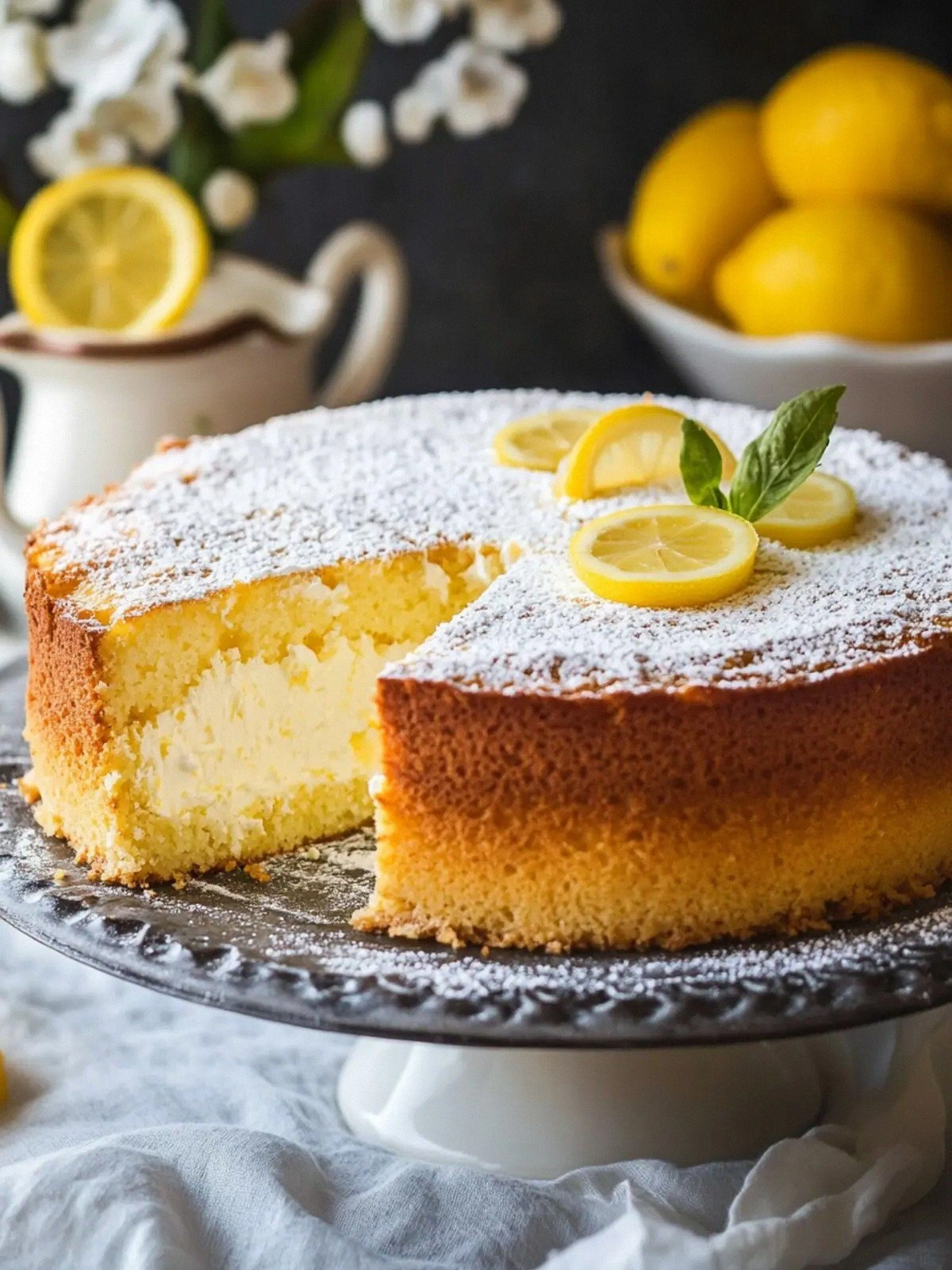
- Visual Appeal: A golden crust that’s crisp on the edges yet soft in the center, dusted with powdered sugar for a delicate finish.
- Ingredient Quality: Using whole milk ricotta and fresh lemons elevates the taste far beyond store‑bought substitutes.
- Simplicity: No complicated techniques—just whisk, fold, bake, and enjoy.
- Make‑Ahead Potential: The cake can be assembled and refrigerated up to 24 hours before baking without losing its lightness.
- Crowd Reaction: Friends and family always ask for the recipe after the first slice; it’s a conversation starter at every gathering.
- Versatility: The base can be transformed into cupcakes, bars, or even a lemon ricotta cheesecake.
Alright, let's break down exactly what goes into this masterpiece...
Inside the Ingredient List
Let’s dive into the squad of ingredients that make this cake sing. Each member has a role, and together they create a symphony of flavor and texture.
The Flavor Base
The ¾ cup of unsalted butter is the cornerstone of our flavor profile. When melted and cooled just enough, it coats the flour and sugar, preventing gluten formation and resulting in a tender crumb. Butter also carries the lemon’s bright notes, allowing the citrus zest and juice to shine through. If you’re watching calories, you can substitute half the butter with Greek yogurt, but be aware that the texture will shift slightly toward a denser crumb.
The Sweetness Factor
1 ½ cups of sugar may seem like a lot, but it’s essential for caramelizing the edges and balancing the tartness of the lemon. I’ve found that using a mix of white and brown sugar adds a subtle molasses undertone that complements the ricotta’s mild flavor. If you prefer a lower glycemic index, try half the sugar and add a tablespoon of honey or maple syrup; the result will still be delightfully sweet.
The Unexpected Star
15 ounces of whole milk ricotta is the unsung hero that gives this cake its signature lightness. Ricotta’s high moisture content keeps the cake moist, while its mild tang cuts through the lemon’s acidity, creating a balanced taste. Skipping ricotta would make the cake dense and dry, and using a low‑fat version would change the flavor profile dramatically. When selecting ricotta, look for a product that is fresh and has a slightly grainy texture—this indicates a higher fat content.
The Texture Crew
The 3 large eggs act as the glue that holds everything together while also providing lift. They’re whisked until frothy before being folded in, ensuring a light batter. The ½ teaspoon baking soda and ½ teaspoon salt are the leavening duo that gives the cake its airy rise. The baking soda reacts with the lemon’s acidity, creating carbon dioxide bubbles that puff up the batter. Salt, on the other hand, enhances every other flavor, making the lemon brighter and the sweetness more balanced.
The Final Flourish
1 ½ cups of all‑purpose flour is the structural backbone. It’s crucial to measure accurately—too much flour will make the cake dense, too little will cause it to collapse. I recommend using the spoon‑and‑level method for consistency. The powdered sugar, used only for dusting, adds a light, sweet finish that contrasts with the cake’s dense interior. If you’re looking for a gluten‑free option, swap the all‑purpose flour for a 1:1 blend of gluten‑free flour and xanthan gum.
Everything's prepped? Good. Let's get into the real action...
The Method — Step by Step
- Preheat your oven to 350°F (175°C). Line a 9‑inch round cake pan with parchment paper and lightly butter the sides. This simple step ensures a flawless release and a clean finish.
- In a medium bowl, whisk the butter and sugar together until light and fluffy. The mixture should look like a pale cloud. This aeration is key to a tender crumb.
- Add the ricotta to the butter‑sugar blend and mix until completely smooth. The ricotta should be lump‑free; if you see any lumps, give it a quick hand‑whisk. This step ensures a uniform batter that will bake evenly.
- Crack the eggs into a separate bowl, whisking them lightly. Then fold the eggs into the ricotta mixture, one at a time, making sure each is fully incorporated before adding the next. This gentle folding preserves the air pockets that give the cake its lift.
- Zest the lemon, then squeeze the juice into the batter. The zest adds a bright, aromatic oil that the juice alone can’t provide. It’s the difference between a cake and a citrus explosion.
- Sift together the flour, baking soda, and salt in a separate bowl. Gradually add the dry mix to the wet batter, folding gently until just combined. Over‑mixing can develop gluten and ruin the cake’s lightness.
- Pour the batter into the prepared pan and tap the pan gently on the counter to release any large air pockets. The batter should look smooth and even. This is the moment of truth—watch the batter settle.
- Bake for 30 minutes, or until a toothpick inserted into the center comes out clean. The edges should pull away slightly from the pan. If you’re using a convection oven, reduce the time by 5 minutes.
- Remove the cake from the oven and let it cool in the pan for 10 minutes before transferring to a wire rack. Dust generously with powdered sugar once cooled. The dusting adds a sweet finish that’s almost like a glaze.
That's it — you did it. But hold on, I've got a few more tricks that'll take this to another level...
Insider Tricks for Flawless Results
The Temperature Rule Nobody Follows
Many bakers bake at 350°F, but this cake thrives at 325°F for a slightly slower rise, ensuring a moister crumb. I’ve baked at 325°F for 32 minutes and the cake came out perfectly golden and airy. If you’re using a lower‑temperature oven, add an extra minute or two to compensate for the slower heat.
Why Your Nose Knows Best
The aroma of a lemon ricotta cake is a predictor of success. A faint citrus scent should start wafting from the oven around the 20‑minute mark. If you don’t smell anything, it’s likely the oven temperature is too low or the batter isn’t thick enough. Trust your nose — it’s the best judge of doneness.
The 5‑Minute Rest That Changes Everything
After removing the cake from the oven, let it rest in the pan for 5 minutes before transferring. This resting period allows the cake to set, preventing cracks and ensuring a smooth top. I’ve seen cakes that were removed too early crumble when cut. Patience pays off.
The Fold‑In Technique
When adding the dry mix, fold rather than stir. Stir can develop gluten, making the cake dense. Folding keeps the batter light and airy, preserving the delicate texture that makes this cake special.
The Zest‑First Strategy
Adding lemon zest before the juice allows the essential oils to infuse the batter fully. This technique gives the cake a more vibrant lemon flavor. If you add the zest after the batter has set, it won’t distribute evenly.
The Resting Batter Trick
If you have time, let the batter rest for 15 minutes before baking. This rest allows the flour to fully hydrate, leading to a softer crumb. It also helps the flavors meld together, creating a more cohesive taste.
Creative Twists and Variations
This recipe is a playground. Here are some of my favorite ways to switch things up:
Citrus Swap
Replace the lemon with orange or blood orange for a sweeter, deeper flavor. The zest and juice work the same way, but the result is a cake that feels like a bright, citrusy sunrise.
Nutty Crunch
Fold in ½ cup toasted almond slivers into the batter before baking. The nuts add a delightful crunch and a nutty aroma that pairs well with the lemon’s brightness.
Chocolate Drizzle
After baking, drizzle melted dark chocolate over the cooled cake. The bittersweet chocolate balances the citrus sweetness and adds a decadent finish.
Berry Compote
Top the cake with a fresh berry compote made from blueberries or raspberries. The natural acidity of the berries complements the lemon, creating a multi‑layered flavor profile.
Coffee Infusion
Add 2 tablespoons of espresso or strong brewed coffee to the batter. The coffee deepens the cake’s flavor and pairs beautifully with the lemon’s brightness.
Herb Twist
A pinch of fresh thyme or rosemary can add an herbal note that contrasts with the lemon’s sharpness. This is a daring move but the result is surprisingly harmonious.
Storing and Bringing It Back to Life
Fridge Storage
Wrap the cooled cake tightly in plastic wrap and store in the refrigerator for up to 3 days. The cake stays moist and the lemon flavor remains vibrant. When ready to serve, let it sit at room temperature for 30 minutes to bring back its full aroma.
Freezer Friendly
For longer storage, slice the cake and wrap each slice in parchment paper, then place in a freezer bag. Freeze for up to 2 months. Thaw overnight in the fridge before serving. The texture remains light and the lemon flavor stays bright.
Best Reheating Method
To warm a frozen slice, place it in a preheated oven at 300°F for 10 minutes. Add a tiny splash of water to the pan to create steam, which keeps the cake from drying out. The result is a warm, freshly baked slice that tastes just like new.