It was a Friday night, the kind of night when you’re half‑satisfied with a take‑out pizza and half‑worried that your kitchen might become a disaster zone. I was scrolling through Instagram, looking for something that would wow my friends, when a photo of golden‑brown, gooey goat cheese caught my eye. The cheese was sliced, coated, and fried to a crisp that made my mouth water before I even tasted it. I thought, “I need to get this in my pantry.” And so the quest began.
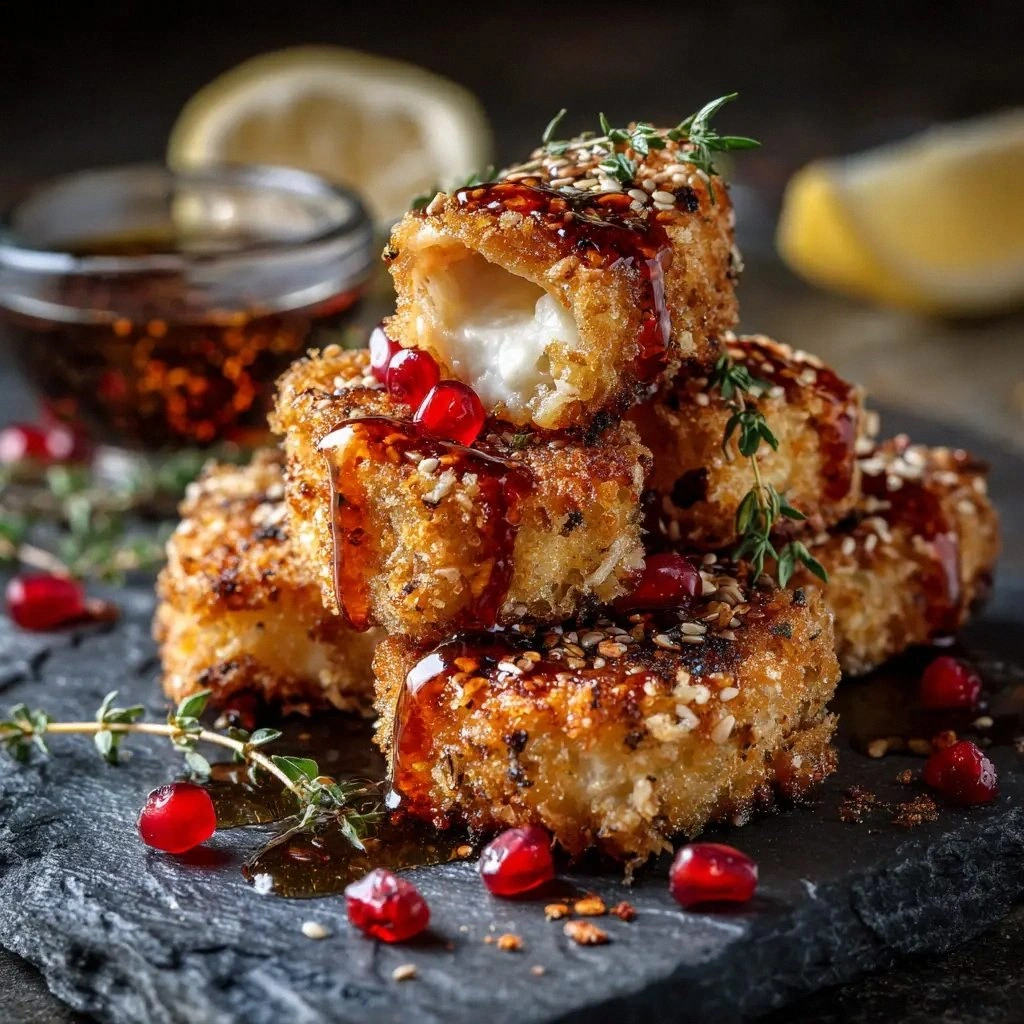
Picture this: a log of creamy goat cheese, sliced into thick wedges, the scent of neutral oil sizzling in the pan, the sound of a crackle that’s almost like applause. The visual is a contrast of pale, velvety cheese against a golden crust that shimmers like a sunlit lake. The texture is the ultimate paradox – a buttery interior that melts in your mouth, a crunchy exterior that snaps like a well‑timed joke. The first bite is a revelation, a harmony of savory and sweet that lingers like a favorite song. The aftertaste is a whisper of thyme that leaves you craving more.
What sets this version apart is not just the ingredients; it’s the method, the timing, and the subtle flavor layers that come together like a perfectly orchestrated symphony. I dare you to taste this and not go back for seconds. The secret is a balance of flour, egg, and Panko that creates a coating so light it feels like a cloud, yet so crisp it satisfies a craving for crunch. The honey drizzle and thyme garnish elevate the dish from simple appetizer to a showstopper. The final result is hands down the best version you’ll ever make at home.
Imagine pulling a tray of these golden wedges from the oven, the whole kitchen smelling incredible, the aroma of toasted bread and sweet honey mingling with the earthy scent of fresh thyme. That’s the moment of triumph, the moment you realize you’ve turned a humble goat cheese log into a crowd‑pleasing masterpiece. You’ll hear laughter, see eyes widen, and feel the pride that comes from creating something that looks almost too good to eat. That’s the power of this dish.
Let me walk you through every single step — by the end, you’ll wonder how you ever made it any other way. From slicing to dredging to frying, each part is crucial and will teach you how to master the art of fried goat cheese. And trust me, the tips I’ll share will save you from the common pitfalls that make this dish a flop for many. So grab your skillet, set your timer, and let’s dive in.
What Makes This Version Stand Out
- Flavor: The combination of tangy goat cheese with sweet honey and aromatic thyme creates a flavor profile that’s both comforting and adventurous. The honey caramelizes slightly during frying, adding a subtle glaze that complements the cheese’s sharpness.
- Texture: The dual coating of flour and Panko produces a crunch that’s airy yet firm, while the interior remains creamy and melt‑in‑your‑mouth. The result is a bite that delivers a satisfying contrast in every bite.
- Simplicity: Only eight ingredients, all of which are pantry staples or easy to find. No fancy sauces or obscure spices required. This recipe is a breeze for beginners and a quick win for seasoned cooks.
- Uniqueness: Most goat cheese recipes end up soggy or over‑fried. This method keeps the cheese tender inside while achieving a crisp exterior that shatters like thin ice.
- Crowd Reaction: Friends and family will rave about the texture and flavor. It’s the kind of dish that turns a casual gathering into a memorable event.
- Ingredient Quality: Using a high‑quality goat cheese log (chèvre) is key. The richer the cheese, the more pronounced the flavor and the better the coating adheres.
- Cooking Method: A quick pan‑fry in neutral oil, not deep‑frying, keeps the dish light while still delivering that desirable crunch.
- Make‑Ahead Potential: The coated wedges can be prepped in advance and fried just before serving, saving time on the day of the event.
Alright, let's break down exactly what goes into this masterpiece…
Inside the Ingredient List
The Flavor Base
The goat cheese log is the star of the show. It provides the creamy, tangy foundation that balances the sweet honey drizzle and the savory thyme. If you skip the cheese, the dish loses its signature depth, becoming a generic fried bread. When choosing a log, look for one that’s firm yet slightly soft to the touch; this ensures it holds together during frying.
The Texture Crew
Flour, egg, and Panko breadcrumbs form the protective shell. Flour absorbs moisture, giving the coating a stable base. The beaten egg acts as a binder, allowing the breadcrumbs to adhere firmly. Panko adds the light, airy crunch that’s essential to the dish’s mouthfeel. If you omit any of these, the coating will either fall apart or become soggy.
The Unexpected Star
Honey is not just a sweetener; it caramelizes during frying, creating a glossy glaze that enhances the cheese’s richness. Fresh thyme adds a herbal note that cuts through the sweetness and complements the goat cheese’s tang. These two ingredients elevate the dish from simple to extraordinary, turning it into a flavor explosion.
The Final Flourish
Neutral oil, such as canola or grapeseed, is crucial because it has a high smoke point and a clean flavor that won’t overpower the cheese. Using a lower‑smoke‑point oil like olive can burn the coating before the cheese melts. The oil also helps achieve that golden brown crust. If you’re looking for a healthier option, a light spray of oil will suffice, though the texture will differ slightly.
Everything's prepped? Good. Let's get into the real action…
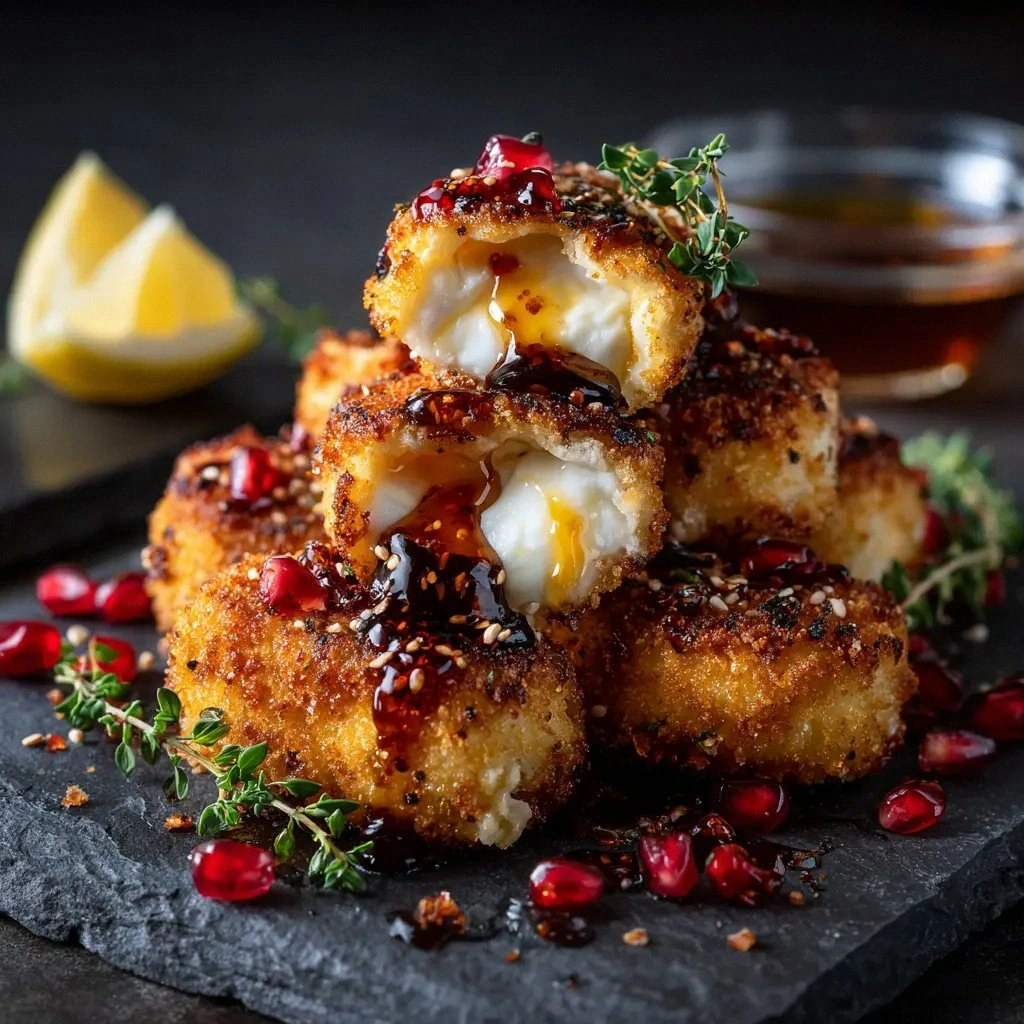
The Method — Step by Step
- Start by slicing the goat cheese log into 1/2‑inch thick wedges. Keep the slices uniform so they cook evenly. As you cut, you’ll notice the cheese’s creamy center, a promise of the melt‑in‑your‑mouth experience to come. This step is crucial; uneven slices can lead to uneven cooking.
- Set up a dredging station: place flour in one shallow dish, beaten egg in another, and Panko breadcrumbs in a third. Lightly season the flour with salt and pepper. This will create a cohesive coating that sticks to the cheese without overpowering its flavor.
- Dip each cheese wedge first in the flour, shaking off excess. Then immerse it in the egg, letting the liquid coat every surface. Finally, press the wedge into the Panko, ensuring a generous, even coating. The sequence—flour, egg, breadcrumb—ensures the coating adheres properly.
- Heat a large skillet over medium heat and pour in about 1 cup of neutral oil. Use a thermometer to keep the oil at 350°F (175°C) for optimal frying. If you don’t have a thermometer, test with a small breadcrumb; it should sizzle immediately and turn golden in 30 seconds.
- Place the coated wedges in the hot oil, spacing them so they don’t touch. Fry for 2–3 minutes on each side, until the coating is golden brown and crisp. The cheese inside should still feel firm, not fully melted; it will finish cooking when you plate it. This is the moment of truth.
- Remove the wedges with a slotted spoon and place them on a paper‑towel‑lined plate to drain excess oil. While they’re still hot, drizzle a thin layer of honey over each wedge. The honey will caramelize slightly, adding a glossy finish.
- Tear fresh thyme leaves and scatter them over the honey‑glazed wedges. The thyme adds a fragrant herbal note that balances the sweet honey and tangy cheese. This final touch transforms the dish from simple to spectacular.
- Serve immediately, either as an appetizer with a side of fresh fruit or as a star of a brunch spread. Pair with a chilled glass of white wine or sparkling water for a complete experience. Enjoy the crunch, the melt, and the burst of flavors that linger on your palate.
That's it — you did it. But hold on, I've got a few more tricks that'll take this to another level…
Insider Tricks for Flawless Results
The Temperature Rule Nobody Follows
The key to a crispy coating is maintaining oil temperature. If the oil is too hot, the coating burns before the cheese melts; if too cool, the coating becomes greasy. Use a thermometer to keep the oil at 350°F (175°C). A quick test: drop a breadcrumb in; it should sizzle and turn golden in about 30 seconds.
Why Your Nose Knows Best
When the cheese starts to steam, you’ll notice a faint scent of dairy rising. That’s the signal that the interior is ready. Don’t rush to flip; wait until the coating is firm and the cheese is slightly soft. If you flip too early, you risk breaking the coating.
The 5-Minute Rest That Changes Everything
After frying, let the wedges rest on paper towels for 5 minutes. This allows excess oil to drain while keeping the coating crisp. A quick press with a paper towel can also remove lingering oil, ensuring a light finish.
The Sweet‑Savory Balance
Honey is a game changer, but timing matters. Drizzle the honey while the wedges are still hot; it will caramelize and form a glossy glaze. If you wait too long, the honey will harden, creating a brittle crust.
The Thyme Trick
Fresh thyme adds a burst of herbal aroma, but whole sprigs can be too strong. Tear the leaves off the stems before adding them to the dish. This releases the essential oils without overwhelming the palate.
Creative Twists and Variations
This recipe is a playground. Here are some of my favorite ways to switch things up:
Spicy Jalapeño Twist
Add finely chopped jalapeño to the flour coating for a subtle kick. The heat pairs wonderfully with the honey glaze, creating a sweet‑spicy contrast that’s irresistible. Perfect for a summer gathering.
Smoked Paprika Finish
Sprinkle smoked paprika over the hot wedges before drizzling honey. The smoky flavor deepens the dish’s complexity, making it ideal for a cozy evening.
Balsamic Reduction Drizzle
Replace honey with a thin balsamic reduction for a tangy, slightly acidic finish. The reduction coats the cheese with a glossy sheen, adding a sophisticated touch.
Herb‑Infused Oil
Infuse the frying oil with rosemary or sage for an aromatic undertone. The herbs seep into the cheese, creating a subtle flavor that complements the thyme garnish.
Nutty Crunch Add‑On
Mix crushed pistachios into the Panko coating for a nutty crunch. The pistachios add a delightful texture and a hint of earthiness that balances the sweetness.
Chocolate Drizzle Finale
After serving, drizzle a light chocolate sauce over the wedges for a decadent dessert twist. The chocolate’s bitterness contrasts with the cheese’s creaminess, creating a memorable finish.
Storing and Bringing It Back to Life
Fridge Storage
Store leftover wedges in an airtight container in the refrigerator for up to 2 days. Keep them on a paper towel to absorb moisture. When ready to reheat, place them on a baking sheet and warm in a 350°F oven for 5 minutes.
Freezer Friendly
For longer storage, freeze the coated wedges on a parchment‑lined tray until solid, then transfer to a freezer bag. They stay good for up to 3 months. Reheat in the oven at 350°F for 10 minutes, adding a splash of water to re‑steam the cheese.
Best Reheating Method
The oven is the best way to restore crispness. If you’re in a hurry, a skillet over medium heat will do the trick. Avoid microwaving, as it turns the coating soggy.