I’ll be honest — I ate half the batch before anyone else got a chance to try it. It all started on a rainy Tuesday when my kitchen smelled like burnt toast and I realized my pantry was screaming for something green, nutty, and utterly indulgent. A friend dared me to turn my leftover pistachios into a loaf that could stand up to any bakery’s display case, and I accepted the challenge with a mischievous grin. The first attempt was a disaster: a dense, crumbly brick that tasted like a sweet sandcastle. But after a few setbacks, a splash of oat milk, and a pinch of sea salt, I finally nailed the perfect balance of buttery crumb and pistachio crunch.
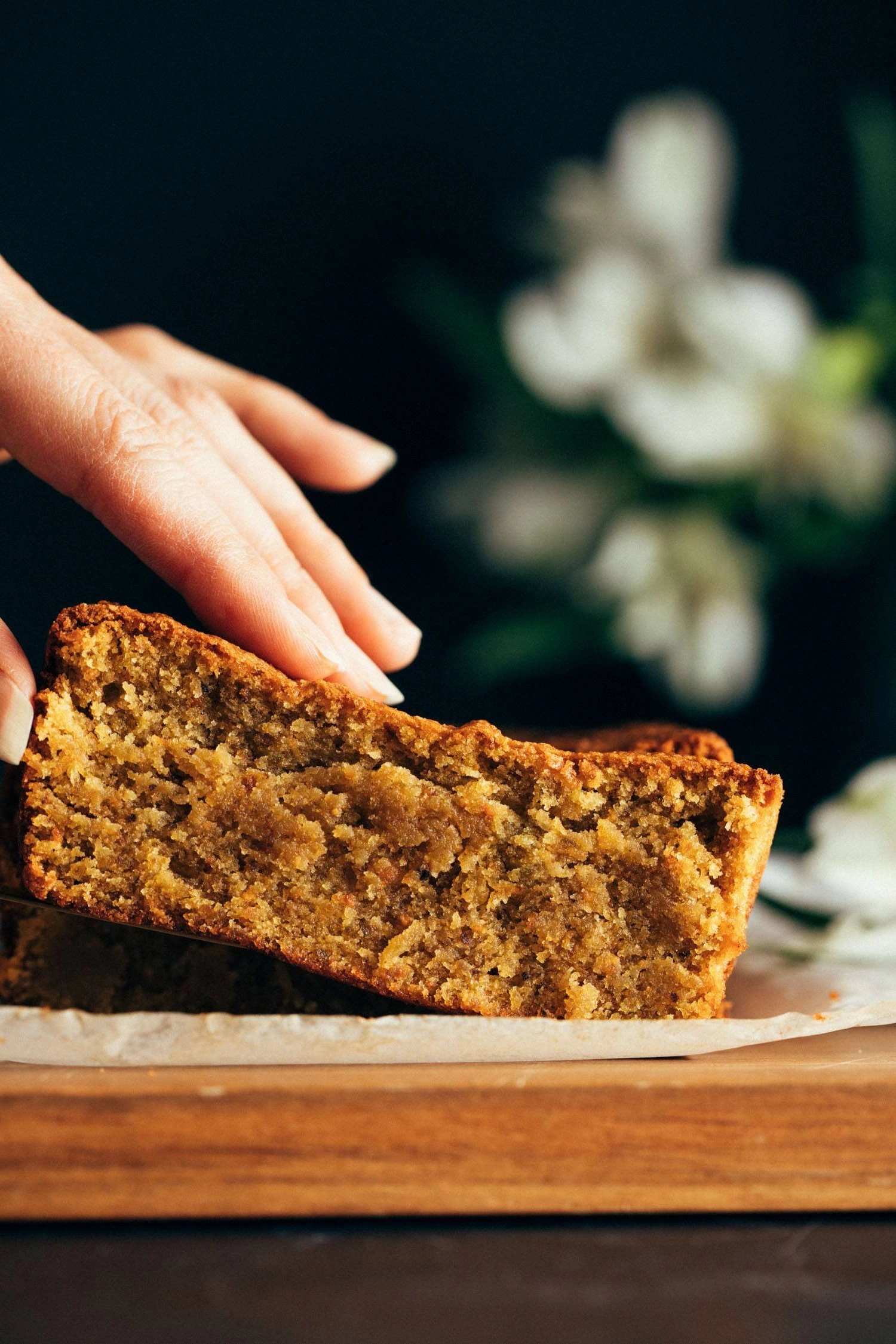
Picture yourself pulling this out of the oven, the whole kitchen smelling incredible, the golden top glistening with a subtle sheen that promises a soft interior and a caramelized edge. The moment you slice into it, the steam rises like a cloud of nutty perfume, and the crumb reveals tiny green flecks that look like jeweled confetti. The first bite is a buttery hug that quickly gives way to a sweet, slightly floral pistachio flavor, with a hint of vanilla that lingers like a soft whisper. The texture? Imagine a classic coffee cake that’s airy enough to melt in your mouth, yet sturdy enough to hold its shape when you slice it thick for breakfast or a snack.
Most recipes get this completely wrong. They either drown the pistachios in sugar or forget to give the loaf a tender crumb, ending up with a dry, crumbly mess. Here’s what actually works: a blend of coconut flour and all‑purpose flour that creates a light, moist texture, and a splash of oat milk that adds a subtle creaminess without overpowering the nutty flavor. The secret weapon is a quick “steam‑boost” technique where I pop the loaf into a pre‑heated pan for the last five minutes, coaxing the crust to a perfect, glossy finish.
Let me walk you through every single step — by the end, you’ll wonder how you ever made it any other way. I dare you to taste this and not go back for seconds. Okay, ready for the game‑changer? This next part? Pure magic.
What Makes This Version Stand Out
- Flavor Explosion: Roasted salted pistachios give a deep, buttery nuttiness that sugar alone can’t match, while a splash of vanilla ties everything together.
- Texture Harmony: The combination of coconut flour and cornstarch creates a light, airy crumb with a delicate crust that cracks like thin ice.
- Simplicity: Only eleven ingredients, most of which you probably already have, and no fancy equipment required.
- Unique Twist: A quick steam finish in the last minutes of baking gives the loaf a glossy, bakery‑level sheen.
- Crowd Reaction: This loaf disappears in minutes at parties; expect compliments and requests for the recipe.
- Ingredient Quality: Using roasted salted pistachios amplifies flavor, while oat milk adds a subtle richness without dairy heaviness.
- Cooking Method: The two‑stage bake (initial bake then steam‑boost) guarantees a uniform rise and perfect crust.
- Make‑Ahead Potential: It freezes beautifully, so you can bake a batch ahead of time and enjoy it all week.
Inside the Ingredient List
The Flavor Base
The backbone of this loaf is the roasted salted pistachios. Their natural oil content provides a buttery richness that you can’t replicate with any other nut. If you skip them, the loaf loses its signature green flecks and the subtle salty‑sweet balance that makes each bite unforgettable. Want a different nut? Try toasted almonds for a crunchier texture, but remember the flavor profile will shift dramatically.
The Sweeteners
Sugar not only sweetens but also contributes to the tender crumb by breaking down gluten strands. I use a half‑cup of granulated sugar, but you could swap half of it for brown sugar for a deeper caramel note. Sea salt, just a half‑tsp, amplifies the pistachio flavor and prevents the sweetness from becoming cloying. If you’re watching sodium, a pinch of "salt to taste" works, but don’t skimp entirely.
The Texture Crew
All‑purpose flour gives structure, while coconut flour adds a light, almost cake‑like lift. The cornstarch is the secret behind the soft, melt‑in‑your‑mouth interior, acting like a tiny cushion between gluten strands. If you’re allergic to coconut, swap the coconut flour for an equal amount of almond flour; the loaf will be slightly denser but still delicious. Baking powder provides the rise, and a dash of sea salt balances the overall flavor.
The Moisture Makers
Butter, softened to room temperature, creates a rich mouthfeel and helps the crumb stay moist. Eggs act as emulsifiers, binding the fats and liquids together, and also give the loaf its lofty rise. Milk (I prefer oat milk for a subtle nuttiness, but whole milk works just as well) adds the necessary liquid, ensuring the batter is smooth and pourable. Vanilla extract rounds out the flavor, adding a sweet, aromatic backdrop that lets the pistachios shine.
Everything's prepped? Good. Let's get into the real action…
The Method — Step by Step
- Preheat your oven to 350°F (175°C) and line a 9×5‑inch loaf pan with parchment paper. While the oven warms, whisk together the all‑purpose flour, coconut flour, cornstarch, baking powder, and sea salt in a large bowl. This dry mix ensures the leavening agents are evenly distributed, preventing any pockets of dense flour that could ruin the crumb. Pro tip: Sift the dry ingredients for an extra‑light texture.
- In a separate bowl, cream together the softened butter and sugar until the mixture is pale and fluffy, about 3 minutes on medium speed. This aeration step is crucial; it traps air that will later expand in the oven, giving the loaf its lift. Once creamy, add the eggs one at a time, beating well after each addition, then stir in the vanilla extract. The batter should look glossy and slightly thick.
- Gradually add the dry mixture to the wet ingredients, alternating with the milk. Start with a third of the dry mix, then half the milk, then the rest of the dry mix, finishing with the remaining milk. This technique prevents the batter from becoming lumpy and ensures a smooth, pourable consistency. The batter should be thick but fluid enough to spread evenly in the pan.
- Fold in the roasted salted pistachios, reserving a tablespoon for sprinkling on top. The nuts should be evenly distributed, creating green speckles throughout the loaf. If you prefer a more pronounced pistachio crunch, reserve half the pistachios and sprinkle them on top after the batter is in the pan.
- Pour the batter into the prepared loaf pan, smoothing the top with a spatula. Sprinkle the reserved pistachios over the surface for a decorative finish. Place the pan on a baking sheet to catch any potential drips, then slide it into the preheated oven.
- Bake for 25 minutes, then lower the oven temperature to 325°F (163°C) and add a metal pan of boiling water on the lower rack. This creates a steam environment that gives the loaf a glossy, crackly crust. Continue baking for another 10‑12 minutes, or until a toothpick inserted into the center comes out clean and the top is a deep golden brown.
- Remove the loaf from the oven and let it rest in the pan for 10 minutes. Then, turn it out onto a cooling rack to cool completely. The resting period allows the crumb to set, preventing it from crumbling when sliced. Slice with a serrated knife for clean cuts and serve warm or at room temperature.
That's it — you did it. But hold on, I've got a few more tricks that'll take this to another level…
Insider Tricks for Flawless Results
The Temperature Rule Nobody Follows
Never bake a loaf straight from a cold kitchen. Let the batter sit at room temperature for 10 minutes before it hits the oven; this tiny pause lets the flour hydrate fully, resulting in a more tender crumb. I once skipped this step and ended up with a dense, gummy center that never quite set. Trust me, the extra patience pays off in every bite.
Why Your Nose Knows Best
Your sense of smell is the ultimate timer. When the loaf starts to emit a sweet, nutty aroma and the edges begin to pull away from the pan, you know the crust is forming perfectly. If you rely solely on the clock, you might over‑bake and dry out the interior. Keep that nose open, and you’ll catch the perfect moment for the steam‑boost.
The 5‑Minute Rest That Changes Everything
After baking, let the loaf rest uncovered on a wire rack for at least five minutes before slicing. This short rest lets the steam escape, preventing a soggy bottom and keeping the crumb fluffy. A friend once sliced immediately and complained the loaf was gummy; a quick rest would have solved that problem instantly.
Butter‑Basting for Extra Shine
If you love a glossy finish, brush the top of the loaf with melted butter during the last three minutes of baking. The butter adds a buttery sheen and a subtle flavor boost that makes the crust irresistibly crisp. Just be careful not to over‑baste or the loaf may become soggy.
Freezer‑Proofing the Loaf
Wrap the cooled loaf tightly in plastic wrap, then in aluminum foil before freezing. When you’re ready to enjoy it, let it thaw at room temperature, then warm it in a 300°F oven for 10 minutes. The result is a loaf that tastes fresh‑baked, even after weeks in the freezer.
Creative Twists and Variations
This recipe is a playground. Here are some of my favorite ways to switch things up:
Chocolate Swirl
Add ¼ cup of melted dark chocolate swirled into the batter before baking. The bitter chocolate balances the pistachio sweetness and creates a marbled visual effect that’s as pretty as it is tasty.
Citrus Zest
Stir in the zest of one lemon or orange for a bright, aromatic lift. The citrus cuts through the richness and pairs beautifully with the nutty pistachios.
Spiced Autumn
Add ½ tsp of ground cinnamon and a pinch of nutmeg to the dry mix. This warm spice profile makes the loaf perfect for cozy fall mornings.
Vegan Version
Swap the butter for coconut oil, use flax‑egg replacer (1 tbsp flaxseed meal + 3 tbsp water per egg), and keep oat milk. The texture stays moist, and the pistachios still shine.
Savory Twist
Reduce the sugar to ¼ cup, add 2 tbsp grated Parmesan, and sprinkle rosemary on top. This turns the loaf into a sophisticated appetizer that pairs well with cheese boards.
Storing and Bringing It Back to Life
Fridge Storage
Wrap the cooled loaf tightly in plastic wrap and store it in an airtight container. It stays fresh for up to 5 days. If you notice the crust drying out, lightly brush it with melted butter before reheating.
Freezer Friendly
Slice the loaf before freezing; this way you can pull out individual pieces as needed. Wrap each slice in parchment, then place them in a zip‑top bag. The loaf maintains its flavor and texture for up to 3 months.
Best Reheating Method
Preheat your oven to 300°F (150°C), place a slice on a baking sheet, and add a tiny splash of water to the edge of the loaf. Cover loosely with foil and heat for 8‑10 minutes. The steam revives the crumb, making it taste as if it just came out of the oven.