Picture this: it’s a rainy Tuesday, the kind where you’re stuck inside, scrolling through endless recipe posts that all promise “quick comfort” but end up tasting like bland cardboard. I was ready to surrender to the soggy mood when my roommate shouted, “I dare you to make something that actually makes me forget the weather!” I laughed, rolled up my sleeves, and grabbed the nearest red bell peppers, because honestly, if you can’t roast something bright and sweet, what’s the point? The kitchen filled with the crackle of the oven as the peppers blistered, and the air started to smell like a Mediterranean summer market—smoky, sweet, and just a hint of char that whispered, “We’re about to do something amazing.”
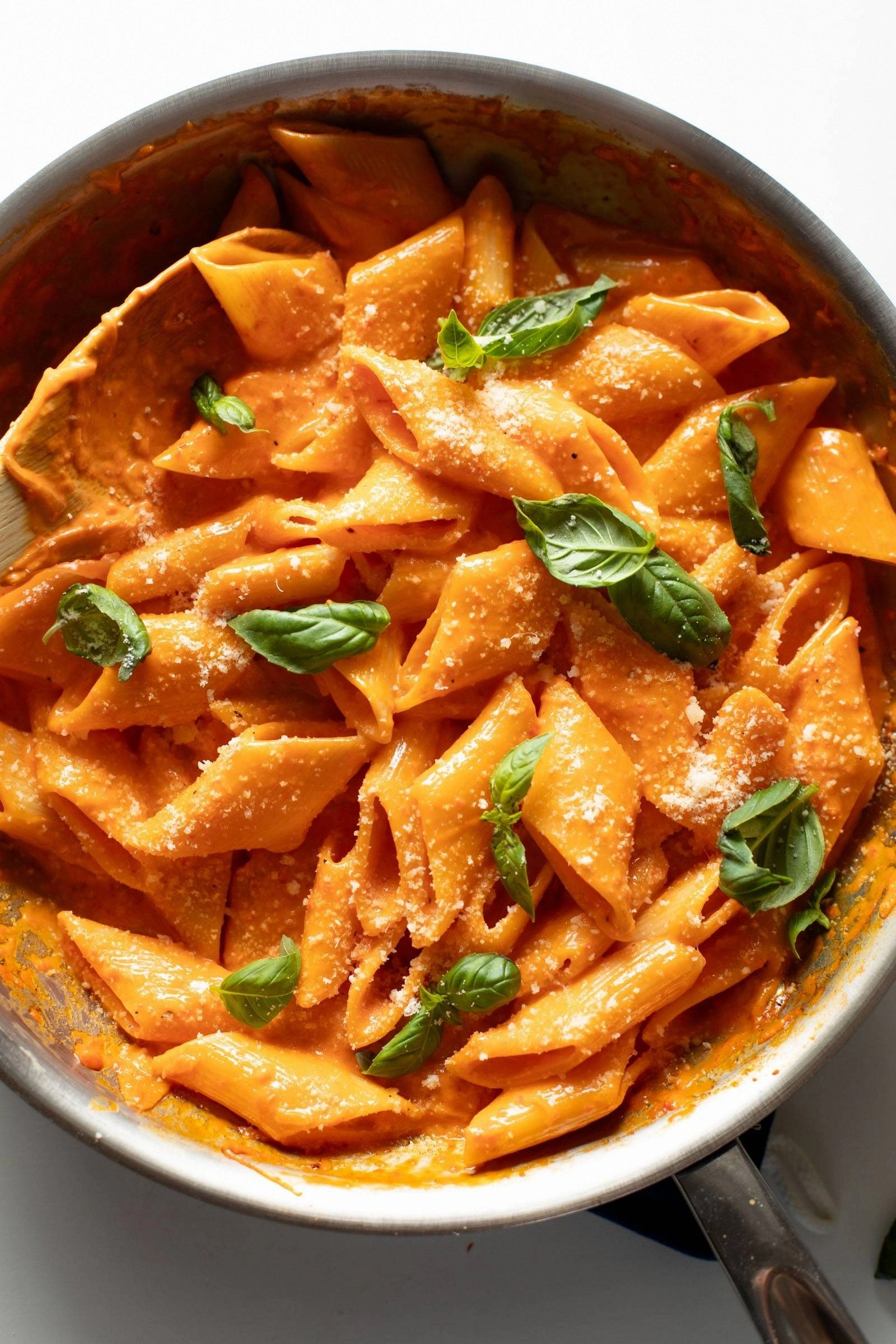
Fast forward an hour later: I’m standing over a pan of pasta that’s just been tossed in a sauce so silky it could double as a runway for a fashion show. The sauce clings to each strand like velvet, while the roasted pepper pieces add a pop of color that could make a painter jealous. The first bite? A burst of smoky sweetness, a gentle heat from a whisper of smoked paprika, and a creamy finish that makes you feel like you’ve been wrapped in a warm, edible hug. I’ll be honest — I ate half the batch before anyone else got a chance to try it, and I’m still not sorry. That’s because this isn’t just another pasta dish; it’s the kind of recipe that makes you question every other version you’ve ever tried.
Most recipes get this completely wrong. They either drown the peppers in a sea of cream, losing that beautiful smoky nuance, or they skimp on the roasting, leaving a raw, flat flavor. Here’s what actually works: we roast the peppers until their skins are blistered, then peel them to reveal a sweet, caramelized interior; we blend a portion of those peppers into a silky base, and we finish the sauce with a splash of heavy cream and a generous sprinkle of Parmesan to balance the acidity. The result is a dish that sings on every level—taste, texture, and visual appeal. And the secret ingredient? A pinch of smoked paprika that adds depth without overwhelming the natural sweetness of the peppers.
Okay, ready for the game‑changer? I’m about to walk you through every single step—by the end, you’ll wonder how you ever made this any other way. Stay with me here — this is worth it. Let’s dive in and turn those humble red peppers into the star of the show.
What Makes This Version Stand Out
- Bold Flavor: The combination of roasted pepper sweetness and smoked paprika creates a layered taste that’s both comforting and exciting, making every bite unforgettable.
- Creamy Texture: By blending a portion of the roasted peppers with heavy cream, the sauce achieves a velvety consistency that coats the pasta without feeling heavy.
- Simplicity: Only ten ingredients, all pantry‑friendly, yet the technique elevates each one to a gourmet level.
- Visual Appeal: The vibrant orange‑red sauce with flecks of fresh basil looks as good as it tastes, perfect for impressing guests or snapping that Instagram shot.
- Crowd Reaction: I’ve served this at dinner parties and heard the same thing: “Is this store‑bought? It’s too good to be homemade!”
- Ingredient Quality: Using fresh, fire‑roasted peppers (or even charred under a broiler) makes all the difference; the natural sugars caramelize beautifully.
- Cooking Method: The roasting step adds depth, while the quick stovetop finish keeps the dish from becoming soggy.
- Make‑Ahead Potential: The sauce can be pre‑made and stored, meaning you can have a restaurant‑quality dinner ready in minutes on a busy weeknight.
Inside the Ingredient List
The Flavor Base
Red bell peppers (2, roasted): These are the heart of the dish. Roasting transforms their natural sugars into caramelized gems, giving you that sweet‑smoky backbone. If you skip the roasting, you’ll end up with a flat, raw flavor that never reaches its full potential. Tip: Choose peppers that are firm, glossy, and deeply colored for the richest taste.
Garlic (3 cloves, minced): Garlic adds an aromatic punch that balances the sweetness of the peppers. Too much can overpower, while too little leaves the sauce whispering rather than singing. If you’re allergic or hate garlic, try a teaspoon of garlic‑infused oil for a subtler note.
The Texture Crew
Olive oil (2 tbsp): A good quality extra‑virgin olive oil provides a silky mouthfeel and helps emulsify the sauce. It also carries the flavor of the garlic and paprika. If you’re watching calories, you can halve the amount and finish with a splash of pasta water.
Pasta (12 oz, penne or rigatoni): The ridges of penne trap the sauce, ensuring every bite is coated. You can swap for spaghetti if you prefer, but expect a slightly different texture. Remember to reserve a cup of pasta cooking water; it’s liquid gold for adjusting sauce consistency.
The Unexpected Star
Heavy cream (1 cup): Cream adds richness without making the sauce greasy. It also helps mellow the acidity from the roasted peppers. For a lighter version, substitute half-and-half or a cashew‑cream blend, but the silkiness will be a touch less decadent.
Parmesan cheese (½ cup, grated): Parmesan introduces salty umami that ties the whole dish together. Freshly grated works best; pre‑grated can contain anti‑caking agents that affect texture. If you’re dairy‑free, try a nutritional‑yeast sprinkle for a similar nutty flavor.
The Final Flourish
Fresh basil (¼ cup, chopped): Basil brings a bright herbaceous contrast that lifts the smoky base. Add it at the very end to preserve its aromatic oils. If basil isn’t your jam, try flat‑leaf parsley for a fresher edge.
Smoked paprika (1 tsp): This spice adds a whisper of wood‑smoked depth that makes the sauce feel more complex than it is. It’s the secret handshake that tells your taste buds you’ve put thought into this dish.
Salt and black pepper (to taste): Seasoning is personal, but a good rule of thumb is to season the sauce after it’s blended, then taste again once the pasta is incorporated. This ensures the flavors meld perfectly.
Everything's prepped? Good. Let's get into the real action…
The Method — Step by Step
Preheat your oven to 475°F (245°C). Line a baking sheet with foil, place the whole red peppers directly on the sheet, and roast for 20‑25 minutes, turning once, until the skins are completely blistered and charred. That sizzle when it hits the pan? Absolute perfection. Once done, transfer the peppers to a bowl, cover with plastic wrap for 5 minutes to steam—this makes the skins slip off like a second skin.
While the peppers are steaming, bring a large pot of salted water to a boil. Add the pasta and cook al dente according to package instructions—usually 10‑12 minutes. Reserve 1 cup of the starchy cooking water, then drain the pasta and set aside.
Peel the roasted peppers, discard the skins, seeds, and stems, and roughly chop them. Toss the chopped peppers into a food processor with the minced garlic, smoked paprika, and olive oil. Pulse until you have a chunky puree—don’t over‑blend or you’ll lose the texture that gives the sauce its character.
Kitchen Hack: Add a splash of the reserved pasta water into the processor while blending. It helps create a smoother sauce and prevents the motor from overheating.Heat a large skillet over medium heat. Add the pepper‑garlic puree and sauté for 3‑4 minutes, stirring constantly. You’ll notice the mixture darkening and a fragrant aroma rising—this is the moment where the flavors start to marry.
Reduce the heat to low and stir in the heavy cream. Let it simmer gently for another 4‑5 minutes, allowing the sauce to thicken slightly. Keep an eye on the edges; they should start pulling away from the pan, signaling the sauce is ready to bind.
Stir in the grated Parmesan, letting it melt into the sauce. This is where the sauce gets that luxurious, glossy finish. Taste and season with salt and freshly cracked black pepper. If the sauce feels too thick, whisk in a little of the reserved pasta water—remember, you’re aiming for a silk that clings to the pasta without drowning it.
Now, the magic moment: add the cooked pasta directly into the skillet, tossing it until every piece is lovingly coated. The pasta should look like it’s been wrapped in a silky, orange‑red blanket. Keep the heat low and let the pasta sit for a minute, allowing the sauce to adhere.
Watch Out: Do not over‑cook after adding the pasta, or the sauce will become grainy as the cheese separates.Turn off the heat and fold in the fresh chopped basil. The residual warmth will release the herb’s aromatic oils without wilting it completely, preserving that bright green pop.
Plate the pasta, drizzle a tiny drizzle of extra‑virgin olive oil for shine, and finish with an extra sprinkle of Parmesan. Serve immediately while the sauce is still glossy. Picture yourself pulling this out of the oven, the whole kitchen smelling incredible… That’s the payoff for all the effort.
That's it — you did it. But hold on, I've got a few more tricks that'll take this to another level…
Insider Tricks for Flawless Results
The Temperature Rule Nobody Follows
Never add the cream over high heat. If the pan is too hot, the cream can curdle, turning your silky sauce into a lumpy mess. Keep the heat medium‑low, and you’ll get a smooth, velvety texture every time. I once tried to speed things up by cranking the burner, and the sauce broke—lesson learned, never sacrifice temperature for speed.
Why Your Nose Knows Best
Before you even taste, trust the aroma. When the pepper‑garlic mixture starts to smell smoky and sweet, you know the flavor base is developing correctly. If it still smells raw after a few minutes, give it a little more time—your nose is a more reliable gauge than a timer.
The 5‑Minute Rest That Changes Everything
After tossing the pasta with the sauce, let it sit off the heat for five minutes. This short rest allows the starches in the pasta to absorb the sauce, creating a cohesive dish where each bite feels unified. Skipping this step is like serving a cake without letting it cool—textures get out of sync.
Salt at the Right Moment
Season the sauce after the cream is incorporated, not before. Adding salt too early can draw moisture out of the peppers, making the sauce watery. Once the cheese melts, the sauce thickens, and you can fine‑tune the seasoning perfectly.
Finish with Fresh Herbs, Not Dried
Fresh basil adds a bright, fleeting aroma that dried herbs can’t replicate. Add it at the very end, just before plating, to preserve its volatile oils. If you only have dried basil, use a third of the amount and add it earlier in the cooking process.
Creative Twists and Variations
This recipe is a playground. Here are some of my favorite ways to switch things up:
Smoky Chipotle Kick
Swap the smoked paprika for ½ tsp of chipotle powder and add a minced chipotle pepper in adobo sauce. The result is a deeper, smoky heat that pairs perfectly with the sweet peppers. Great for those who love a little fire.
Creamy Cashew Alternative
For a dairy‑free version, blend ¾ cup soaked cashews with ¼ cup water and a splash of lemon juice, then stir it into the roasted pepper puree instead of heavy cream. The sauce stays luxuriously thick while staying plant‑based.
Sun‑Dried Tomato Fusion
Throw in ¼ cup finely chopped sun‑dried tomatoes with the peppers. The tangy, concentrated tomato flavor adds complexity and a richer red hue. It’s a nod to classic Italian pomodoro with a twist.
Herb‑Infused Variation
Replace basil with a mix of fresh thyme and oregano. The herbaceous notes become earthier, giving the dish a rustic Mediterranean vibe. Perfect for serving alongside grilled chicken or lamb.
Spiralized Veggie Version
Swap the pasta for spiralized zucchini or carrot noodles for a low‑carb, spring‑fresh alternative. The sauce clings beautifully to the vegetable ribbons, and the dish feels lighter while still delivering that comforting creaminess.
Storing and Bringing It Back to Life
Fridge Storage
Transfer any leftovers to an airtight container and refrigerate for up to three days. The sauce may thicken as it cools; simply reheat gently on the stovetop, adding a splash of water or broth to loosen it back to its original silkiness.
Freezer Friendly
The sauce freezes exceptionally well. Portion it into freezer‑safe bags or containers, leaving a little headspace for expansion, and store for up to two months. Thaw overnight in the fridge, then gently reheat, again adding a splash of liquid to restore its glossy texture.
Best Reheating Method
When reheating the pasta, add a tiny splash of water (about a tablespoon per serving) before warming. Cover the pan with a lid and heat over low‑medium heat, stirring occasionally. This steams the pasta back to life, preventing it from drying out.