I still remember the night I almost ruined brunch. I had been promised a “simple avocado toast” by a friend who swore it was the pinnacle of breakfast simplicity. But when I tried the version that came with a bland, watery avocado mash and a half‑cooked poached egg, the result was a sad, soggy mess that tasted like a missed opportunity. That disaster sparked a mission: to craft the ultimate avocado toast with poached egg that would make my taste buds sing and my friends beg for seconds.
Picture this: the kitchen light is warm, the air carries the faint scent of fresh cilantro, and the sound of a gentle sizzle from the skillet fills the room. You see a ripe avocado split open, its creamy flesh glistening like polished jade, a lemon half-cut with a bright, citrusy aroma that cuts through the richness. The bread is toasted to a golden‑brown perfection, its crust crisping like a tiny, edible sunrise. The poached egg sits atop, its yolk a molten, golden halo that promises a silky texture. Your fingers feel the heat of the skillet, your eyes track the slow, graceful dance of the egg, and you can almost taste the moment when everything comes together.
What sets this version apart isn’t just the ingredients; it’s the way each element is treated. The avocado is mashed with a splash of lemon and a pinch of sea salt, turning it into a velvety spread that coats the toast like a silk scarf. The poached egg is cooked to a precise temperature, ensuring the whites are set but the yolk remains luxuriously runny, creating a contrast that feels like a burst of sunshine. The bread is toasted on a cast‑iron skillet with a hint of olive oil, giving it a buttery crunch that holds the toppings without becoming soggy. A sprinkle of crushed red pepper flakes adds a subtle heat that lingers, while fresh herbs provide a bright, herbal finish. The result is a dish that feels both indulgent and wholesome, a culinary hug that wakes you up from the inside out.
I dare you to taste this and not go back for seconds. The bold claim here is simple: this is hands down the best version you'll ever make at home. It’s a dish that feels like a sunrise in a bite, a celebration of simple, fresh ingredients turned into a masterpiece. If you've ever struggled with avocado toast, you’re not alone — and I've got the fix. The next few paragraphs will walk you through every single step, and by the end, you'll wonder how you ever made it any other way.
What Makes This Version Stand Out
- Texture: The toast is crisp on the outside yet tender inside, thanks to the skillet technique that locks in moisture while creating a buttery crust. The avocado mash is creamy without being watery, giving a silky mouthfeel that coats the bread like velvet. The poached egg’s yolk remains a luscious, molten center, offering a delightful contrast to the crunchy toast.
- Flavor: A splash of fresh lemon juice brightens the avocado, cutting through its richness with a zesty punch. A pinch of sea salt enhances every component, while crushed red pepper flakes add a gentle heat that lingers. Fresh herbs, like cilantro or parsley, finish the dish with a bright, herbal note that lifts the entire plate.
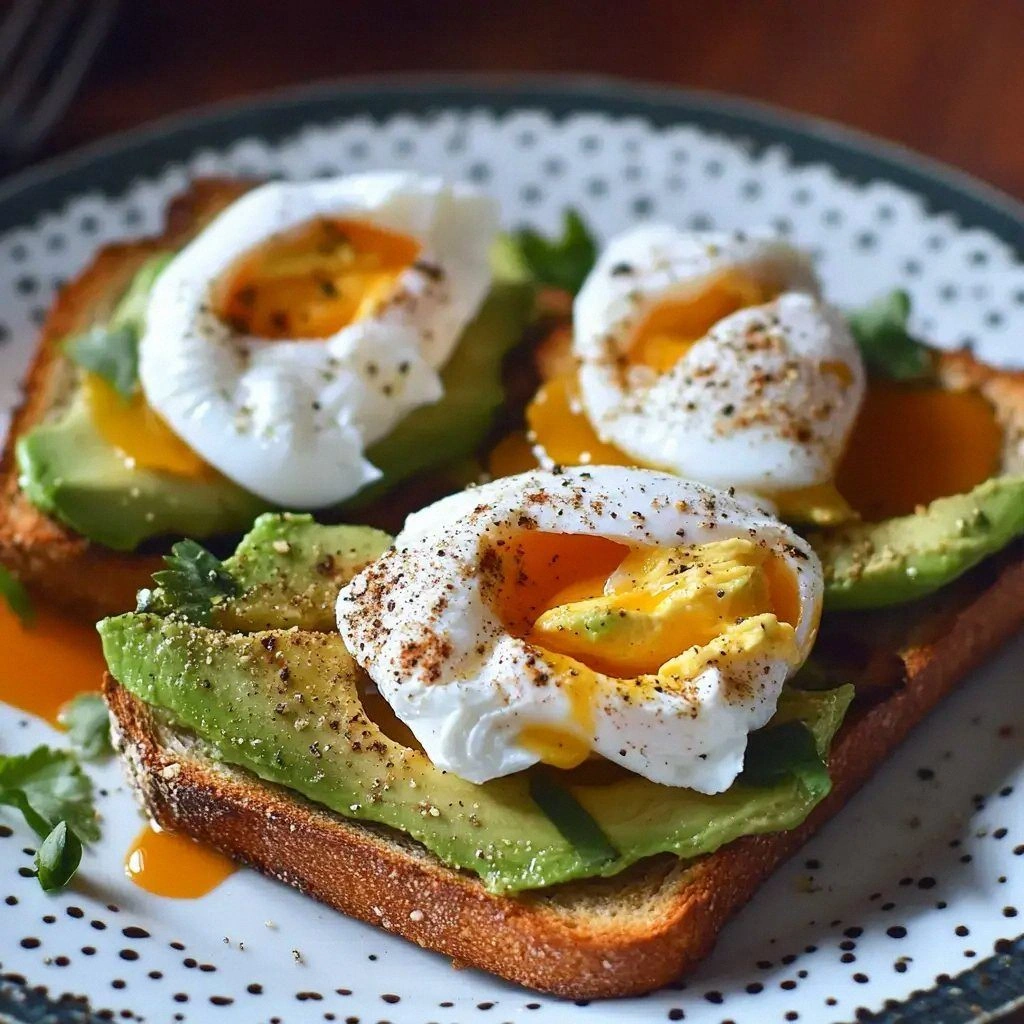
- Visual Appeal: The golden yolk glistens against the dark toast, surrounded by a green, creamy spread and specks of bright herbs. The contrast of colors makes the dish Instagram‑ready and invites the diner to dig in. The plating is simple yet elegant, letting the natural beauty of the ingredients shine.
- Simplicity: Only a handful of ingredients are required, each one chosen for maximum impact. No complicated sauces or elaborate techniques—just a few precise steps that anyone can master. This simplicity makes the dish accessible for busy mornings or leisurely brunches alike.
- Make‑Ahead Potential: The avocado mash can be prepped ahead of time, and the toast can be reheated in a toaster oven to retain crunch. The poached egg is best cooked fresh, but you can pre‑poach the eggs and keep them in cold water until you’re ready to serve. These tweaks allow you to assemble the dish in minutes when guests arrive.
- Ingredient Quality: Using ripe, buttery avocados and fresh eggs makes the difference between ordinary and extraordinary. The choice of bread—sourdough or whole‑grain—adds a nutty depth that complements the creamy avocado. A drizzle of high‑quality olive oil ties everything together.
- Versatility: The base recipe can be adapted for dietary preferences: gluten‑free bread, low‑fat avocado mash, or a vegan version using a plant‑based egg substitute. Each variation maintains the core flavor profile while accommodating different needs.
Alright, let's break down exactly what goes into this masterpiece…
Inside the Ingredient List
The Flavor Base
The foundation of this dish is the avocado itself, a fruit that carries a buttery texture and a mild, nutty flavor. Choosing a ripe avocado—soft to the touch but not mushy—ensures a smooth mash that spreads effortlessly across the toast. If you skip the avocado, you lose the creamy backbone that makes each bite feel indulgent. A good rule of thumb: press gently; if it yields to light pressure, it’s ready.
Fresh lemon juice is the next star in the flavor base. It not only brightens the avocado but also prevents oxidation, keeping the green color vibrant. A half‑lemon per avocado works well; if you’re a citrus lover, squeeze a bit more for a sharper zing. Lemon’s acidity also balances the richness of the egg, creating a harmonious taste profile.
The Texture Crew
Bread is the canvas, and its texture determines the overall experience. Sourdough, whole‑grain, or rustic country loaf all provide a sturdy structure that holds the toppings without becoming soggy. Toast the bread to a golden‑brown hue, ensuring the crust crisps up while the interior stays soft. A pinch of olive oil brushed on the bread before toasting adds a subtle buttery flavor that enhances the final bite.
Eggs are the centerpiece of the texture crew, and their poaching technique is crucial. Poaching at a gentle simmer (around 180°F) keeps the whites set while allowing the yolk to remain liquid. Using fresh, high‑quality eggs gives a richer yolk and a more vibrant color. If you’re short on time, a quick “splash of water” trick—adding a teaspoon of water to the poaching liquid—helps keep the whites from spreading too much.
The Unexpected Star
Crushed red pepper flakes bring a subtle heat that contrasts beautifully with the creamy avocado and the delicate egg. They add a pop of color and a whisper of spice that elevates the dish from ordinary to unforgettable. If you prefer a milder flavor, substitute with smoked paprika for a smoky undertone. The unexpected star is the herb—cilantro, parsley, or basil—tossed in at the end to add freshness and a burst of green.
Some cooks add a drizzle of high‑quality extra‑virgin olive oil for an extra layer of richness. A light pour before serving coats the avocado and the toast, creating a glossy finish that invites you to taste. The olive oil’s fruity notes complement the avocado’s buttery texture and round out the overall flavor profile.
The Final Flourish
Seasoning is the final flourish that ties all components together. A pinch of sea salt enhances the avocado’s natural sweetness while balancing the egg’s richness. Freshly ground black pepper adds a subtle bite, and a dash of smoked salt can introduce a deep, savory note. Remember, seasoning is cumulative; add small amounts gradually to avoid overpowering the dish.
Optional toppings like toasted sesame seeds, microgreens, or a sprinkle of grated parmesan can personalize the dish for different occasions. Each addition should complement, not compete, with the core flavors. When experimenting, keep the base simple and let the extras shine as accents rather than the star.
Everything's prepped? Good. Let's get into the real action…
The Method — Step by Step
- Begin by bringing a large pot of water to a gentle simmer. Add a splash of vinegar (about 1 tablespoon) to help the egg whites coagulate. This step is the foundation for a perfectly poached egg; a sudden boil will cause the egg to spread too wide.
- While the water is heating, slice the bread into 1-inch thick pieces. Brush each slice lightly with olive oil, then place them on a preheated cast‑iron skillet. Toast until the edges are golden and the surface is slightly crisp—this creates a sturdy base that won’t sink under the toppings.
- Take a ripe avocado and cut it in half, removing the pit. Scoop the flesh into a bowl and mash with a fork, leaving a few chunks for texture. Add the lemon juice, a pinch of sea salt, and a dash of freshly ground black pepper. Mix until the avocado is smooth but still has a few visible specks.
- Fold in a tablespoon of extra‑virgin olive oil, stirring until the mixture is glossy. This extra oil deepens the flavor and gives the spread a silky finish. If you prefer a lighter version, reduce the oil to a half‑tablespoon.
- Create a whirlpool in the simmering water by stirring gently with a spoon. This whirlpool helps the egg whites wrap tightly around the yolk, ensuring a compact shape. Carefully slide one fresh egg into the center of the whirlpool using a slotted spoon.
- Let the egg poach for about 3 to 4 minutes, or until the whites are set but the yolk remains liquid. Check the temperature—if the water is too hot, the egg will cook unevenly. Use a slotted spoon to lift the egg gently, allowing the excess water to drain.
- Spread a generous amount of the avocado mash onto each toasted slice. The spread should cover the toast completely, creating a lush, green surface that invites the poached egg. A few extra dollops of avocado on top add visual appeal.
- Place the poached egg carefully onto the avocado‑covered toast. The yolk should sit in the center, its golden hue a beacon of richness. Sprinkle crushed red pepper flakes, a pinch of sea salt, and freshly ground black pepper over the top. Add a handful of fresh herbs for a burst of brightness.
- Serve immediately, preferably with a side of mixed greens or a light citrus salad. The contrast of textures—crisp toast, creamy avocado, silky egg—creates a balanced bite. If you’re feeling adventurous, drizzle a little more olive oil or a squeeze of lemon for an extra zing.
That's it — you did it. But hold on, I've got a few more tricks that'll take this to another level. Each step is designed to elevate the flavor and texture, ensuring you get the most out of every bite.
Insider Tricks for Flawless Results
The Temperature Rule Nobody Follows
Many cooks overheat the water, causing the egg whites to spread. Keep the water at a low simmer—just below boiling—to maintain a steady, gentle swirl. This creates a tight, round poached egg with a pristine white shell that holds the yolk in place. A consistent temperature also ensures even cooking across all eggs.
Why Your Nose Knows Best
The aroma of a perfectly toasted bread is the first indicator of success. When the crust turns a deep golden color, the scent will be nutty and buttery. If the bread smells like burnt or under‑toasted, adjust the heat or time accordingly. Trust your nose—it’s a seasoned chef’s secret weapon.
The 5‑Minute Rest That Changes Everything
After poaching, let the egg rest on a paper towel for 30 seconds. This step removes excess water, giving the whites a crisp edge. It also allows the yolk to set slightly, preventing a runny mess when you cut into it. A quick rest is the difference between a perfect bite and a soggy disaster.
The Secret of a Crispy Toast
To achieve a toast that holds up to the toppings, use a cast‑iron skillet or a heavy‑bottomed pan. The even heat distribution creates a golden crust that resists sogginess. Brush the bread lightly with olive oil before toasting; this adds flavor and creates a protective barrier.
The Avocado “Squeeze” Trick
When mashing avocado, squeeze a few drops of lemon juice into the bowl before adding the fruit. This not only brightens the flavor but also helps keep the avocado from turning brown. The acidity also adds a subtle tang that balances the richness of the egg.
The Herb Finale
A sprinkle of fresh herbs right before serving adds a burst of color and freshness. Cilantro, parsley, or basil each bring a distinct flavor profile. Choose herbs that complement the dish’s overall taste—cilantro for a citrusy note, parsley for a mild, grassy finish, or basil for a sweet, aromatic touch.
Creative Twists and Variations
This recipe is a playground. Here are some of my favorite ways to switch things up:
The Smoky Twist
Swap the fresh lemon juice for a splash of smoked paprika and a pinch of cayenne pepper. The smoky flavor pairs wonderfully with the buttery avocado. Add a drizzle of chipotle aioli for an extra kick. This version is perfect for a brunch with a southwestern vibe.
The Mediterranean Medley
Replace the avocado mash with a tapenade made from olives, capers, and anchovy. Top with sliced cherry tomatoes and crumbled feta cheese. The briny, salty notes complement the poached egg’s richness. A sprinkle of oregano adds a fragrant finish.
The Vegan Delight
Use a plant‑based egg substitute that mimics the texture of a poached egg. Pair it with a creamy hummus spread instead of avocado. Add roasted bell peppers and a drizzle of tahini. This variation keeps the dish plant‑friendly without sacrificing flavor.
The Breakfast Bowl
Serve the avocado toast on a bed of sautéed spinach and quinoa. Top with the poached egg and a sprinkle of nutritional yeast. This bowl transforms the dish into a hearty, protein‑packed meal. It's a great option for a late‑night snack or a quick lunch.
The Sweet & Savory Combo
Spread a thin layer of almond butter over the toast before adding the avocado mash. Drizzle honey over the top and sprinkle with sea salt. The sweet and salty elements create a surprising flavor explosion. Pair it with a glass of sparkling water for a refreshing finish.
Storing and Bringing It Back to Life
Fridge Storage
Store the avocado mash in an airtight container, topped with a thin layer of lemon juice to slow oxidation. Keep the toast in a paper bag to maintain crispness; add a small piece of parchment paper to absorb moisture. The poached egg is best kept separate; if you need to store it, place it in cold water for up to 24 hours. When ready to serve, reheat the toast in a skillet for 30 seconds to revive its crunch.
Freezer Friendly
Avocado mash freezes well; simply portion it into ice cube trays, freeze, and transfer to a freezer bag. Toast the bread fresh when serving. The poached egg can be frozen in a small container with a splash of water; thaw in the refrigerator overnight. Reheat gently in a saucepan on low heat, adding a splash of water to keep it moist.
Best Reheating Method
To reheat a pre‑made avocado toast, place it in a preheated oven at 350°F for 5 minutes. If you prefer a crispier texture, finish it on a grill pan for 1 minute per side. For the poached egg, gently warm it in a small saucepan with a splash of water until the yolk is warm but still runny. A tiny splash of water before reheating steams the egg back to perfection, restoring its silky texture.