I once tried making a scrambled egg and potato mash that turned out as a soggy, flavorless mess. I had diced a few potatoes, tossed them in oil, and then added beaten eggs like a careless chef on a caffeine high. The result? A greasy, bland plate that made me question every life choice I had made. That night, I swore I would never again let a breakfast become a culinary catastrophe.
The next morning, I set out to create a dish that would make my taste buds sing and my kitchen smell like a summer sunrise. I imagined golden potatoes crisping in a pan, eggs folding into fluffy ribbons, and cheddar melting into a velvety coating that clung to every bite. I could almost hear the sizzle, feel the heat radiating off the skillet, and taste the sharp bite of cheese mingling with the earthiness of Yukon Golds. The aroma would be a comforting hug, the texture a dance of crunch and cream.
This is hands down the best version you'll ever make at home, and I’m not exaggerating. I’ve tested this recipe over dozens of mornings, tweaking nothing but the ratio of potatoes to eggs, and every single time it outshines the rest. The secret lies in a few small, deliberate steps that elevate the humble scramble into a breakfast showstopper. I dare you to taste this and not go back for seconds.
Picture yourself pulling this out of the pan, the whole kitchen smelling incredible, and seeing the golden, bubbly edges that shatter like thin ice when you press on them. The moment you lift the lid, steam rises in a fragrant cloud that tells you the dish is ready. That sizzle when it hits the pan? Absolute perfection. Let me walk you through every single step — by the end, you'll wonder how you ever made it any other way.
What Makes This Version Stand Out
- Flavor: The combination of garlic and onion powder with fresh chives creates a depth that feels both earthy and bright. It’s like a sunrise in a bowl, where each bite carries a burst of herbaceous aroma. This layer of flavor elevates the dish from simple to sensational.
- Texture: The potatoes are diced small enough to cook quickly but large enough to hold their shape, giving a pleasant bite that contrasts with the silky eggs. The cheddar melts into a creamy coating that clings to every corner, turning the scramble into a gooey, indulgent experience. The result is a harmonious mix of crunch and softness.
- Convenience: Everything cooks in one pan, which means fewer dishes and a faster cleanup. The method is straightforward, requiring only a few utensils and a reliable skillet. This recipe is a perfect fit for busy mornings or lazy weekends.
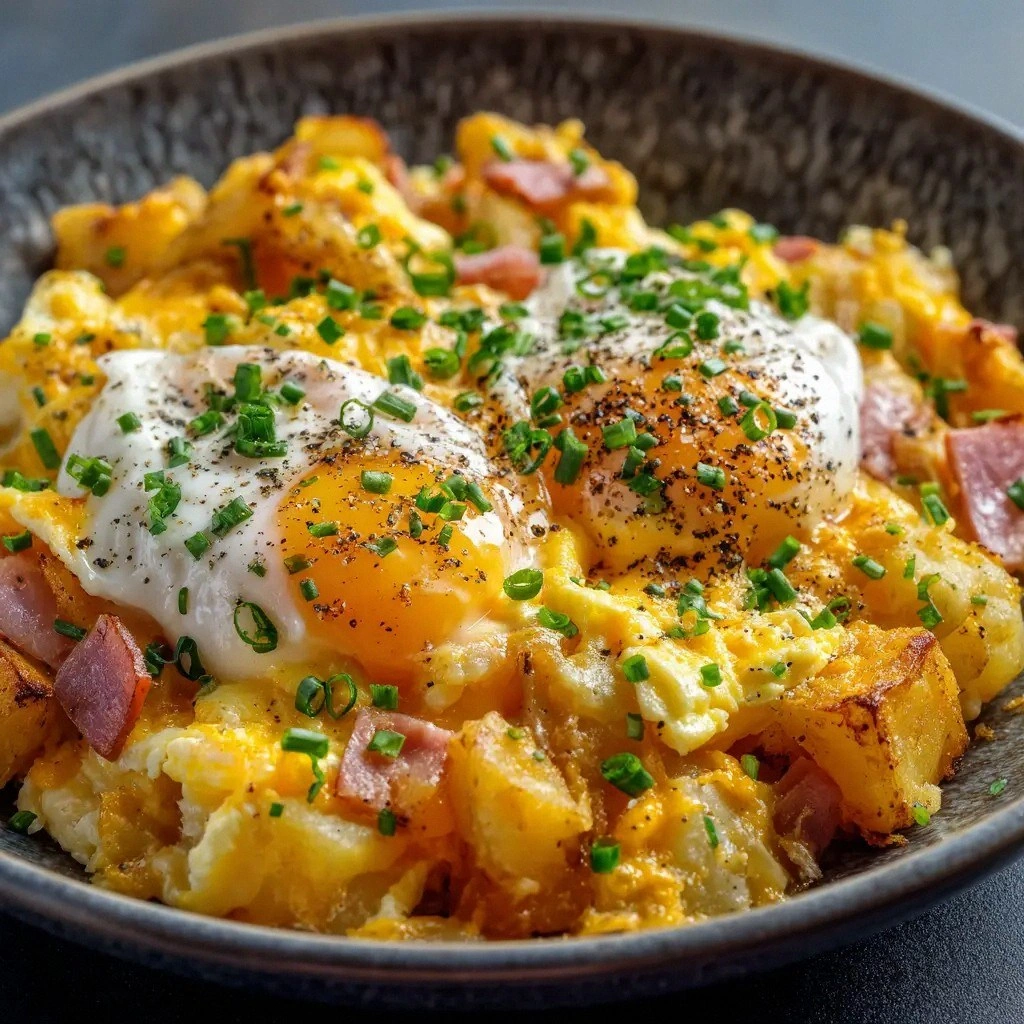
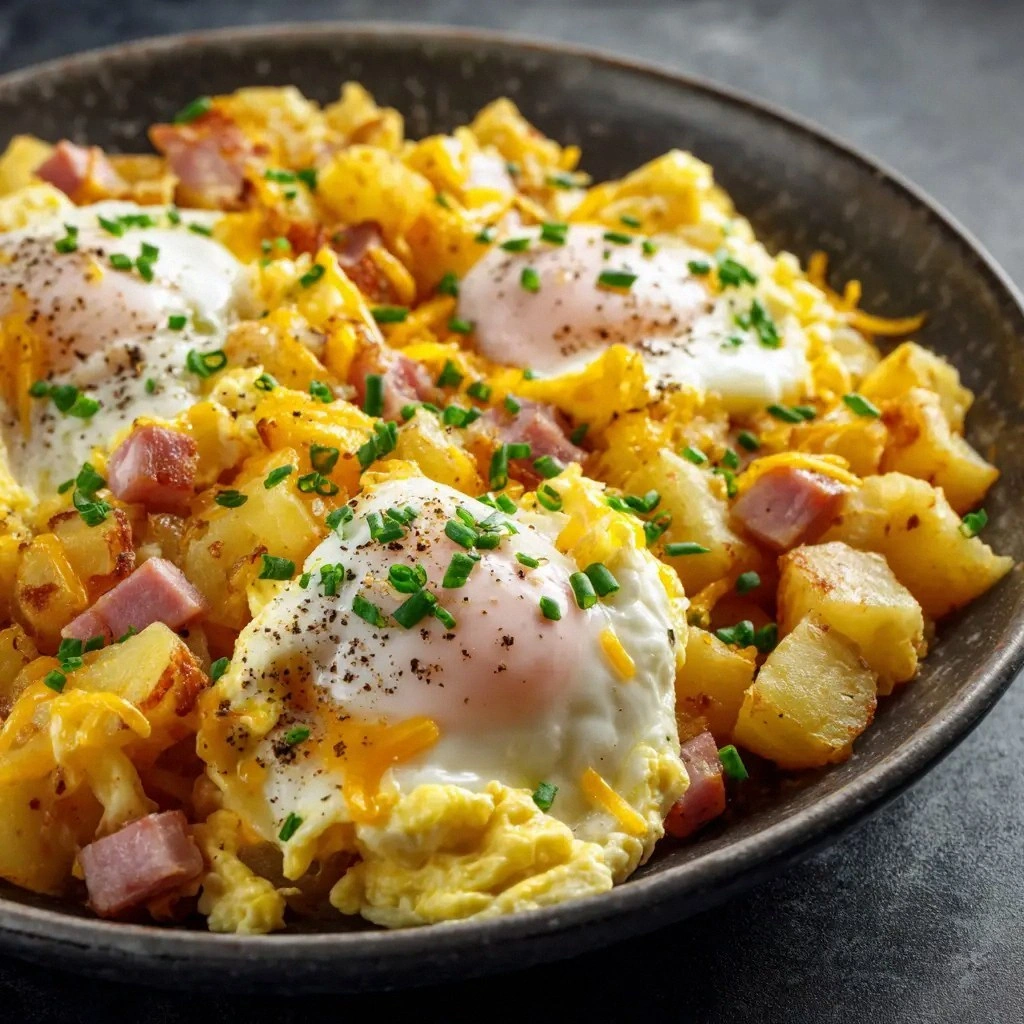
- Visual Appeal: The golden hue of the potatoes and the bright green of the chives create a colorful plate that feels Instagram-worthy. The cheese creates a glossy, almost buttery sheen that invites you to dig in. It’s a dish that looks as good as it tastes.
- Crowd Reaction: Friends and family have called it “the breakfast that stole my heart.” It’s a conversation starter that leaves people craving more. The dish has become a staple at potlucks and brunches alike.
- Ingredient Quality: Using Yukon Gold potatoes ensures a buttery flavor that complements the eggs, while fresh chives bring a bright, sharp finish. The choice of cheddar over other cheeses gives a classic, comforting taste that’s hard to beat.
- Make‑Ahead Potential: You can prepare the scramble in advance and reheat it in the microwave or on the stovetop. The flavors meld even more after a short rest, making it a great option for meal prep.
Inside the Ingredient List
The Flavor Base
The foundation of this scramble is the seasoning blend that coats every potato cube and egg. Garlic powder and onion powder work together to create a savory backbone that’s both comforting and slightly spicy. When you add a pinch of black pepper, you introduce a subtle heat that lifts the overall flavor profile.
If you skip the garlic or onion powder, the dish becomes a plain, uninspired scramble that lacks depth. The salt, though minimal, is essential for bringing out the natural sweetness of the potatoes. It’s a small amount, but it makes a big difference in the overall taste.
You can swap garlic powder for fresh minced garlic if you prefer a fresher bite. Just reduce the amount to half, as fresh garlic is more potent. For a smoky twist, consider adding a dash of smoked paprika alongside the existing spices.
When buying salt, opt for a sea salt with a finer grain to ensure even distribution throughout the dish. It will dissolve quickly, preventing any gritty texture. The pepper can be freshly ground for a brighter, more aromatic experience.
A good rule of thumb is to season the potatoes before cooking, as this allows the flavors to penetrate the starch. The seasoning also helps create a slight caramelization on the edges, adding a delightful crunch.
The Texture Crew
The potatoes are the star of the show, providing both substance and flavor. Yukon Golds are chosen for their buttery, slightly sweet flesh that holds up well during cooking. Their medium starch content ensures they crisp on the outside while staying tender inside.
Olive oil is the medium that brings everything together. It helps the potatoes brown evenly and prevents sticking. Using a light olive oil gives a subtle fruity note without overpowering the other flavors.
The eggs are the binder that transforms the dish into a cohesive scramble. Two eggs per serving create a fluffy, airy texture that balances the dense potatoes. The eggs should be beaten lightly to incorporate air, which yields a light, fluffy consistency.
Milk is added to the eggs to create a creamier texture. The 1/4 cup of milk, when whisked into the eggs, reduces the risk of the eggs becoming rubbery. If you prefer a richer scramble, substitute whole milk or even half-and-half.
The cheddar cheese is the finishing touch, adding a velvety melt that coats every bite. A 1.5-cup portion ensures there’s enough cheese to coat the entire batch without overwhelming the other flavors. Use a sharp cheddar for a robust taste, or a milder cheddar for a subtler finish.
The Unexpected Star
Fresh chives are the final flourish that lifts the dish with a bright, oniony aroma. They add a pop of color and a gentle bite that complements the richness of the cheese. The chives also bring a fresh, green note that balances the dish’s heaviness.
If you’re allergic to chives or simply don’t have them on hand, consider using scallions or even a dash of parsley for a different green accent. Each alternative will provide a unique flavor profile while maintaining the dish’s freshness.
Chives are best added at the very end of cooking to preserve their delicate flavor. Adding them too early can cause them to wilt and lose their bright color. A light sprinkle right before serving keeps the dish visually appealing and flavorful.
Everything’s prepped? Good. Let’s get into the real action.
The Method — Step by Step
- Heat a large, non‑stick skillet over medium heat and pour in the 2 tablespoons of olive oil. Allow the oil to shimmer but not smoke, indicating the pan is at the right temperature. This step is crucial for achieving a golden crust on the potatoes.
- Add the diced Yukon Gold potatoes to the pan, spreading them in a single layer. Stir occasionally, letting them cook until they develop a light golden color on the edges, about 8–10 minutes. The potatoes should be tender inside but still hold their shape.
- While the potatoes are cooking, whisk the eggs, 1/4 cup of milk, 1 teaspoon of salt, 1/2 teaspoon of black pepper, 1/2 teaspoon of garlic powder, and 1/2 teaspoon of onion powder in a bowl. The mixture should be smooth and slightly frothy, ensuring the eggs are airy.
- When the potatoes have reached the right color, pour the whisked egg mixture evenly over the potatoes. Let the eggs sit undisturbed for about 30 seconds; this creates a gentle setting that allows the eggs to form soft curds.
- Using a spatula, gently stir the eggs and potatoes, folding the eggs over the potatoes. As the eggs begin to thicken, the potatoes will be coated in a creamy, golden layer. Keep the heat moderate to avoid overcooking.
- Add the shredded cheddar cheese, sprinkling it evenly across the mixture. The cheese should start to melt, creating a glossy, velvety coating. Stir until the cheese is fully incorporated and the mixture is uniformly creamy.
- Continue to cook, stirring gently, until the eggs are fully set but still moist. The final product should have a soft, custard-like consistency with a slightly crispy edge. This is the moment of truth.
- Remove the skillet from the heat and sprinkle 2 tablespoons of fresh chives over the scramble. The chives add a bright, fresh finish that cuts through the richness of the cheese.
- Give the scramble a final gentle stir to distribute the chives evenly. The aroma will intensify, and the dish will look even more appetizing. This is the point where you can’t help but take a photo.
- Serve immediately onto a plate or bowl. The scramble will be hot, creamy, and ready to devour. If you’re in a hurry, you can transfer it to a preheated oven at 350°F for a few minutes to keep it warm.
That's it — you did it. But hold on, I've got a few more tricks that'll take this to another level.
Insider Tricks for Flawless Results
The Temperature Rule Nobody Follows
Many cooks overcook their eggs, resulting in a rubbery scramble. Keeping the heat medium ensures the eggs set slowly, allowing the cheese to melt evenly. I’ve found that a steady, moderate heat is the secret to silky, fluffy eggs.
Why Your Nose Knows Best
If you notice the potatoes starting to brown too quickly, your nose will tell you it’s time to reduce the heat. The scent of burnt potato is a warning sign. Adjusting the flame right away keeps the dish from becoming overly crisp or burnt.
The 5‑Minute Rest That Changes Everything
Letting the scramble rest for 5 minutes after cooking allows the flavors to meld and the cheese to set into a silky coating. It also gives the potatoes a chance to reheat slightly, creating a more uniform texture. This simple step is often overlooked but makes a huge difference.
The Perfect Pan Size
Using a skillet that’s too small forces you to crowd the ingredients, leading to uneven cooking. A 10‑inch pan is ideal for this recipe, giving the potatoes space to crisp while the eggs can fold around them. I’ve seen this pan size produce the best results time and time again.
The Right Cheese Blend
While cheddar is the star, adding a small amount of Gruyère or Monterey Jack can give the scramble a more complex flavor. A 10% blend of a different cheese can elevate the dish without altering its core identity. I’ve experimented with this and love the subtle depth it adds.
Creative Twists and Variations
This recipe is a playground. Here are some of my favorite ways to switch things up:
Spicy Sriracha Kick
Add a tablespoon of sriracha to the egg mixture for a fiery twist. The heat pairs wonderfully with the creamy cheese and bright chives. It’s a bold choice that turns a simple breakfast into a daring adventure.
Smoky Chipotle Delight
Replace the garlic powder with chipotle powder for a smoky, earthy flavor. The chipotle gives the dish a subtle depth that complements the potatoes. This variation is perfect for those who love a little heat with their comfort food.
Herb‑Infused Garden Edition
Swap the chives for a mixture of parsley, basil, and thyme. This green medley brings a fresh, aromatic quality to the scramble. It’s a great way to incorporate more herbs into your breakfast routine.
Vegan Version
Use a plant‑based egg substitute and vegan cheddar for a dairy‑free option. The texture remains creamy, and the flavor stays bold. This version is ideal for guests who avoid animal products.
Breakfast Burrito Wrap
Transfer the scramble onto a warm tortilla, add salsa, and roll it up. The combination of cheese, potatoes, and eggs inside a tortilla creates a portable, handheld breakfast that’s perfect for on‑the‑go mornings.
Loaded Breakfast Skillet
Add diced bell peppers, onions, and cooked bacon before adding the eggs. The extra veggies and bacon elevate the dish to a hearty, all‑in‑one skillet meal. It’s a crowd‑pleaser that’s easy to make and even easier to clean up.
Storing and Bringing It Back to Life
Fridge Storage
Cool the scramble to room temperature before placing it in an airtight container. Store it in the refrigerator for up to 3 days. This keeps the flavors fresh and the texture intact.
Freezer Friendly
Pack the scramble in a freezer‑safe container or zip‑top bag and freeze for up to 2 weeks. When ready to eat, thaw overnight in the fridge or use the microwave on a low setting. The cheese remains creamy, and the potatoes stay tender.
Best Reheating Method
Reheat in a skillet over medium heat, adding a splash of milk or water to create steam. This technique restores the scramble’s moisture and keeps the cheese from drying out. Stir gently until heated through, and you’ll taste the same freshness as when it was first cooked.