I was standing in my kitchen, surrounded by the remnants of a half‑cooked casserole that had turned into a sticky, soggy mess, when a friend texted me a photo of a steaming bowl of egg roll in a bowl. The aroma hit me like a slap of fresh soy sauce straight to the nose, and I could taste the faint hint of ginger even before I touched the pot. That moment felt like a culinary epiphany, a reminder that sometimes the simplest dishes bring the most joy. I was determined to turn that photo into a recipe that would outshine every other version out there.
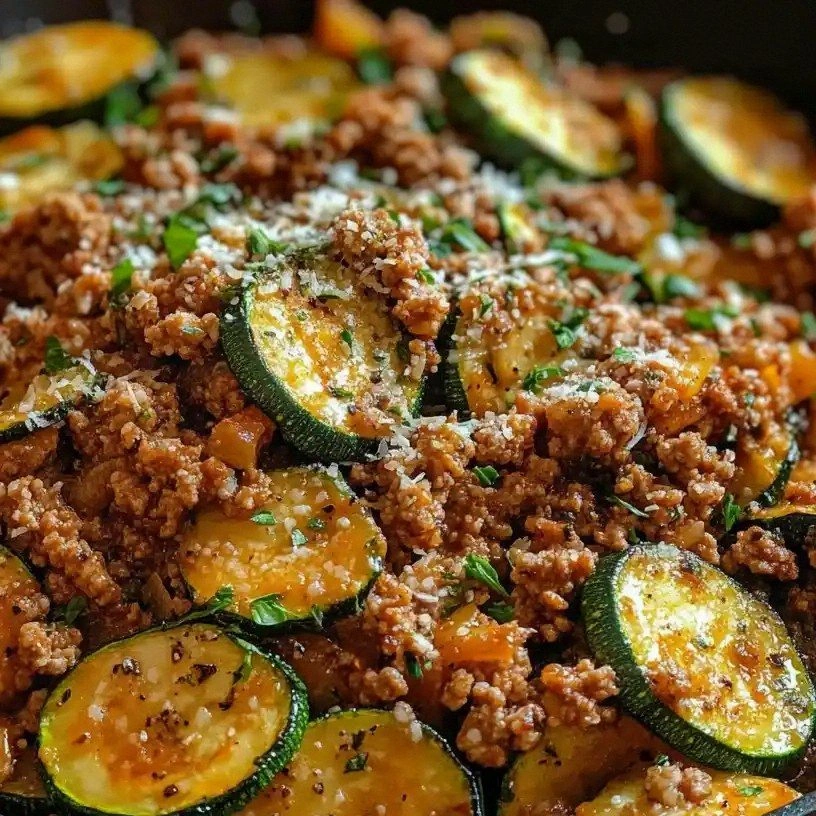
Picture the sizzling pan, the ground meat bubbling, and the crunch of shredded cabbage dancing in the steam. The sound of garlic frying is a comforting, rhythmic drumbeat that promises flavor. The color palette shifts from pale gray of the raw pork to the deep green of cabbage and the bright orange of carrots. The scent is a savory, umami-rich bouquet that makes your mouth water even before you taste. The texture is a harmonious mix of tender meat, crisp veggies, and a silky sauce that coats every bite like velvet.
What sets this version apart is not just the ingredients but the way they come together in a single pot. I dare you to taste this and not go back for seconds. The sauce is a balanced blend of sweet, salty, and spicy that coats the pasta like velvet. The cabbage adds a satisfying crunch that shatters like thin ice. The carrots lend a subtle sweetness that balances the heat. The result is a bowl that feels both comforting and exciting.
And I’m not just talking about the taste—this is hands down the best version you'll ever make at home. The technique is simple, the flavor profile is deep, and the cleanup is minimal. The next part? Pure magic. Let me walk you through every single step — by the end, you'll wonder how you ever made it any other way.
What Makes This Version Stand Out
- Flavor: The sauce is a symphony of umami, heat, and subtle sweetness that coats every grain of rice and every bite of meat. It’s not just salty; it’s layered, complex, and utterly satisfying. The result is a bowl that feels both comforting and exciting.
- Texture: The shredded cabbage provides a crisp bite that contrasts beautifully with the tender pork and silky sauce. Carrots add a gentle crunch and a pop of color, while the sesame seeds give a nutty finish. This combination creates a dance of textures that keeps the dish interesting.
- Simplicity: All the ingredients are common pantry staples, and everything cooks in one pan. No separate wok, no extra bowls, just a single pot and a few quick steps. That simplicity is what makes this recipe a go-to for busy weeknights.
- Uniqueness: The use of Chinese five‑spice powder and fresh ginger gives this dish a distinctive aroma that sets it apart from other egg roll in a bowl variations. The sauce has a silky, glossy finish that’s almost cinematic.
- Crowd Reaction: Friends who have tried this version rave about how it’s the “instant comfort food” that everyone loves. Even those who are not big fans of spicy food find it approachable because the heat can be adjusted. The dish is a crowd‑pleaser at potlucks and dinner parties.
- Ingredient Quality: Using fresh, high‑quality ground pork or turkey makes a world of difference in flavor. Fresh ginger and garlic bring brightness and depth. The sauce components—soy sauce, rice vinegar, and sriracha—are all essential for that perfect balance.
- Cooking Method: The single‑pot technique saves time and reduces cleanup, while the high‑heat sear locks in flavor. The quick sauté of aromatics releases their oils and builds a foundation of taste. This method ensures that every ingredient shines.
- Make‑ahead Potential: The dish keeps well in the fridge for up to 3 days, and it reheat’s beautifully with a splash of water to restore moisture. That makes it ideal for meal prep or for feeding a hungry family after a long day.
Alright, let's break down exactly what goes into this masterpiece…
Inside the Ingredient List
The Flavor Base
Ground pork or turkey is the star of the show, absorbing every seasoning and sauce. It provides a rich, savory foundation that makes the dish feel hearty. If you skip this, the bowl loses its depth and becomes a bland veggie mash. The leaner turkey option is a great alternative for those watching calories.
Soy sauce or tamari is the umami engine, delivering saltiness and depth. Tamari is a gluten‑free alternative that gives the same rich flavor without the wheat. If you’re avoiding sodium, use a low‑sodium version or reduce the quantity by half. The sauce’s thickness comes from the reduction, so keep an eye on it.
Sesame oil adds a nutty aroma that elevates the entire dish. A drizzle at the end locks in the flavor and gives a glossy finish. If you don’t have sesame oil, a light olive oil works, but the nutty undertone will be missing. This oil is what gives the dish that final wow factor.
Rice vinegar brightens the sauce, cutting through the richness of the meat. It adds a subtle acidity that balances sweetness and spice. If you’re out of rice vinegar, apple cider vinegar works but with a stronger flavor. The vinegar is essential for that bright, fresh finish.
Sriracha provides the heat that makes the dish exciting. Adjust the amount to your heat tolerance, or replace it with chili flakes for a different kick. The heat should be balanced by the sweetness of carrots and the tang of vinegar. The sriracha’s signature flavor is unmistakable.
The Texture Crew
Cabbage brings that satisfying crunch and serves as a low‑carb base for the dish. It’s a great alternative to rice if you’re watching carbs. If you prefer a softer texture, sauté the cabbage until it’s tender. The crunch is what keeps the bowl from becoming mushy.
Carrots add a sweet, vibrant color and a subtle crunch. Their natural sugars caramelize during cooking, adding depth. Pre‑julienned carrots save time and give a uniform bite. They also bring a touch of sweetness that balances the heat.
Green onions provide a fresh, oniony bite that brightens the dish. Use the white part for cooking and save the green tops for garnish. They add a pop of color and a fresh finish. If you’re allergic to onions, consider scallions or chives.
Garlic is the backbone of any savory dish, and in this bowl it’s the flavor anchor. Mince it finely so it releases its oils quickly. If you’re a garlic lover, add a pinch more. Garlic’s aroma is intoxicating and drives the dish’s depth.
Fresh ginger adds a zingy, peppery note that cuts through the richness of the pork. Grate it finely to release its oils. If you don’t have fresh ginger, use powdered ginger but reduce the amount to 1 teaspoon. The ginger’s brightness is essential for that fresh finish.
The Unexpected Star
Chinese five‑spice powder is the secret weapon that gives the dish a warm, aromatic profile. It’s a blend of star anise, cloves, cinnamon, fennel, and Szechuan peppercorns. If you can’t find it, mix cinnamon and fennel for a close approximation. This spice adds a depth that you won’t find in other versions.
Sesame seeds are the garnish that adds texture and a nutty finish. Toast them lightly to bring out their flavor. Sprinkle them on top just before serving. If you’re allergic, you can omit them or use sunflower seeds.
Fresh cilantro adds a bright, herbaceous note that lifts the dish. If you’re not a fan of cilantro, fresh basil or parsley works well. The herbs are the finishing touch that makes the bowl feel fresh and vibrant. The cilantro also adds a subtle citrusy brightness.
The Final Flourish
A splash of water before reheating restores moisture and keeps the bowl from drying out. This small step makes the dish taste freshly cooked. If you’re serving immediately, the water is optional. The moisture is what keeps the texture consistent.
The garnish of green onion tops and sesame seeds adds color and texture. They also add a fresh, aromatic finish. The final sprinkle of cilantro brightens the bowl. The garnish is what makes the dish visually appealing.
The sauce’s consistency is key; it should coat the meat and veggies without being too runny. If it’s too thick, add a splash of water. If it’s too thin, let it reduce a bit longer. The sauce should be glossy and cling to each ingredient.
The balance of sweet, salty, and spicy is achieved through the combination of carrots, soy sauce, and sriracha. The heat should be balanced by the sweetness of carrots and the tang of vinegar. The flavor profile is what makes the dish stand out.
Everything’s prepped? Good. Let’s get into the real action…

The Method — Step by Step
- Heat a large skillet or wok over high heat until it’s smoking hot. Add the sesame oil and swirl to coat the bottom. When the oil shimmers, it’s ready for the pork. This high heat sears the meat, locking in flavor and juices.
- Add the ground pork or turkey to the pan, breaking it apart with a wooden spoon. Cook until it starts to brown, about 5 minutes. The meat should develop a caramelized crust that adds depth. The aroma will fill the kitchen and get your mouth watering.
- Stir in the minced garlic, grated ginger, and sliced green onion whites. Sauté for 1 minute until fragrant, being careful not to burn the garlic. The aromatics should release their oils and infuse the meat. This step builds the flavor base.
- Pour in the soy sauce or tamari, rice vinegar, and Sriracha. Stir to combine, letting the sauce reduce slightly. The sauce should coat the meat and start to thicken. The reduction brings the flavors together.
- Add the julienned carrots and shredded cabbage to the pan. Stir to combine, ensuring the vegetables are coated in the sauce. Cook for 5 minutes, or until the cabbage is wilted but still crisp. The vegetables should retain their color and texture.
- Season the mixture with the Chinese five‑spice powder, black pepper, and a splash of water if needed. Stir to distribute the spices evenly. The five‑spice will add warmth and depth. The water keeps the dish moist.
- Let the bowl simmer for 3 minutes, allowing the flavors to meld. Taste and adjust seasoning, adding more soy sauce or sriracha if you prefer. The sauce should be glossy and cling to the ingredients. The simmer also ensures the pork is fully cooked.
- Remove the pan from heat and let it rest for a minute. The residual heat will finish cooking the pork and vegetables. This resting period also allows the flavors to settle. The dish will be ready to serve.
- Serve the hot bowl over cooked rice or quinoa, and garnish with toasted sesame seeds, green onion tops, and fresh cilantro. The garnish adds a fresh, aromatic finish. The sesame seeds provide a nutty crunch. The cilantro brightens the dish with herbal notes.
That's it — you did it. But hold on, I've got a few more tricks that'll take this to another level…
Insider Tricks for Flawless Results
The Temperature Rule Nobody Follows
Cooking the pork over high heat first is essential for that caramelized crust. If you lower the heat too early, the meat will steam rather than sear, losing flavor. Keep the pan hot until the pork is browned. The crust adds depth and texture.
Why Your Nose Knows Best
Smell the sauce as it reduces; it should become fragrant and slightly thickened. If it’s still thin, let it simmer longer. The aroma will tell you when the flavors are balanced. Trust your nose, not the clock.
The 5-Minute Rest That Changes Everything
Letting the dish rest for 5 minutes after cooking allows the juices to redistribute. This step ensures the pork stays moist and the vegetables retain their texture. A quick rest also lets the flavors meld. Don’t skip this final pause.
The Quick Toss Technique
When adding the cabbage, toss it quickly to avoid over‑cooking. A gentle stir keeps the vegetables crisp. The quick toss also helps the sauce coat each piece. This technique saves time and preserves texture.
The Water Trick for Reheating
Add a splash of water before reheating to keep the dish moist. The steam will restore the sauce’s silky texture. If you’re reheating in a microwave, cover the bowl to trap steam. This trick prevents the dish from drying out.
The Garnish Game Plan
To get the most flavor, toast your sesame seeds before sprinkling them on. Toasting brings out a nutty aroma. The green onion tops add a fresh, sharp finish. A final drizzle of sesame oil adds shine.
Creative Twists and Variations
Spicy Korean Twist
Replace Sriracha with gochujang for a smoky, fermented heat. Add a splash of gochujang to the sauce and stir in a handful of kimchi after cooking. The kimchi adds a tangy crunch. This variation is perfect for fans of Korean flavors.
Vegan Version
Swap the pork for crumbled tempeh or tofu. Use a vegan soy sauce or tamari and a splash of nutritional yeast for depth. The tofu will absorb the sauce and stay moist. This version is just as satisfying.
Low‑Carb Delight
Serve the bowl over cauliflower rice instead of regular rice. The cauliflower adds a mild, nutty flavor that pairs well with the sauce. Keep the cabbage and carrots as is for crunch. This twist keeps the carb count low.
Mediterranean Flair
Use ground lamb instead of pork and add a pinch of cumin. Finish with a squeeze of lemon and a sprinkle of oregano. The lemon brightens the dish, while the cumin adds earthiness. This version feels like a Mediterranean street food.
Sweet & Smoky Variation
Add a tablespoon of maple syrup and a pinch of smoked paprika. The maple syrup brings sweetness, while the paprika adds a subtle smokiness. This combo works well with the pork’s natural richness. The result is a sweet, smoky bowl.
Breakfast Edition
Serve the bowl over a bed of scrambled eggs and top with a fried egg on the side. The eggs add protein and a creamy texture. Sprinkle with chives for a fresh finish. This version turns the dish into a hearty breakfast.
Storing and Bringing It Back to Life
Fridge Storage
Store the bowl in an airtight container for up to 3 days. The sauce will thicken in the fridge, so add a splash of water before reheating. Keep the garnish separate until ready to serve. This keeps the texture fresh.
Freezer Friendly
Freeze the bowl in a freezer‑safe container for up to 2 weeks. Thaw overnight in the refrigerator before reheating. Reheat on the stove with a splash of water to restore moisture. This is perfect for meal prep.
Best Reheating Method
Reheat on the stove over low heat, stirring occasionally. Add a tablespoon of water to keep the sauce from drying out. Once hot, sprinkle fresh cilantro and sesame seeds. The bowl will taste as good as new.