I was in the middle of a chaotic Sunday dinner when I realized my skillet had turned into a smoke machine. The sizzling sound that usually signals a good stir‑fry turned into a warning siren, and I was left with charred chicken and a kitchen smelling like burnt onions. That night I vowed to reinvent the classic stir‑fry, turning it into a clean, flavorful, and time‑saving masterpiece that would never again send me into a panic. I’ve spent the last few weeks experimenting, tweaking ratios, and discovering that the secret lies in the sauce’s balance and the timing of the veggies.
Picture the moment the hot pan meets the first slice of chicken: a hiss, a golden sear, and the faint scent of garlic and ginger rising like incense. The aroma is a promise of a meal that will satisfy both the palate and the soul. The sound of vegetables tumbling in is a rhythmic drumbeat, the clink of the wok a reminder that cooking is a dance. The texture of crisp broccoli and tender carrots is a contrast that keeps every bite interesting. And the final splash of soy and honey gives the dish a glossy coat, like velvet draped over a silver platter.
What makes this version stand out is that it’s not just about flavor; it’s about the confidence you feel when you can whip up a meal that looks and tastes like a restaurant dish, but you’ve done it in under an hour. I’ve eliminated the need for pre‑soaking or marinating, cutting prep time dramatically. The sauce is simple, yet it layers umami, sweetness, and acidity in a way that coats the chicken without overpowering it. The vegetables stay bright and firm, thanks to a quick blanch before they hit the hot pan. And the final touch—sesame seeds—adds a nutty crunch that elevates the entire dish.
There’s one technique that will blow your mind: the “one‑pan, one‑sauce” trick. Instead of juggling multiple sauces, I combine soy, honey, vinegar, and sesame oil into a single, silky glaze that’s poured over the finished stir‑fry. It’s a game‑changer that saves time and ensures every bite is evenly flavored. Ready to learn how to make this dish feel effortless, even on the busiest of nights? Let me walk you through every single step — by the end, you’ll wonder how you ever made it any other way.
What Makes This Version Stand Out
- Flavor: The sauce balances salty, sweet, and tangy notes without any artificial additives. It coats each ingredient like a velvet ribbon, leaving a lingering umami aftertaste that keeps you coming back for more.
- Texture: The quick sear on the chicken locks in juices, while the pre‑blanching of broccoli and carrots preserves their vibrant color and crunch. No soggy or over‑cooked veggies.
- Simplicity: With only one pan and a single sauce, you cut prep time in half. No need for separate marinades or sauce reductions.
- Speed: The entire dish comes together in under 45 minutes, making it ideal for weeknight dinners or last‑minute gatherings.
- Nutrition: Low in saturated fat, high in protein, and packed with vitamins from fresh vegetables, this stir‑fry keeps you fueled without compromising taste.
- Scalability: The recipe scales cleanly for 2, 4, or 6 servings, making it perfect for solo meals or family feasts.
Alright, let's break down exactly what goes into this masterpiece…
Inside the Ingredient List
The Flavor Base
The low‑sodium soy sauce or tamari is the backbone of the sauce, providing deep umami without drowning the other flavors. If you’re on a sodium‑free diet, a splash of coconut aminos works wonderfully as a substitute. Skipping this would leave the dish flat; the savory depth would be missing, and you’d end up with a sweet‑only profile that feels unbalanced.
Honey or maple syrup adds a subtle sweetness that balances the acidity of the rice vinegar. If you prefer a vegan version, maple syrup is the perfect ally. Too little sweetness, and the sauce will taste sharp; too much, and it will become syrupy.
Rice vinegar brings a bright, clean acidity that cuts through the richness of the chicken and the oil. A pinch of white wine vinegar can also be used, but it will introduce a slightly different flavor nuance. Removing the vinegar will result in a thicker, less lively sauce.
Sesame oil, just a teaspoon, infuses a nutty aroma that elevates the dish. If you’re allergic or simply don’t have it on hand, you can replace it with a few drops of toasted sunflower oil for a milder nutty note. Without it, the sauce feels flat and lacks that characteristic depth.
The Texture Crew
Olive oil is used for the initial sear, giving the chicken a golden crust. A neutral oil like grapeseed or avocado works well too, especially if you’re watching the olive oil’s robust flavor. Skipping oil will cause the chicken to stick and lose that beautiful sear.
The bell pepper, broccoli florets, carrot, and green onions are the crunchy, colorful stars. Each vegetable brings its own bite and visual appeal. If you’re short on one, you can substitute with snap peas or zucchini, but keep the texture in mind.
Sesame seeds add a subtle crunch and nutty flavor that rounds out the dish. If you’re allergic, you can omit them or replace them with toasted sunflower seeds. Removing them will slightly reduce the final texture profile.
The Unexpected Star
Fresh ginger is the unsung hero that injects a peppery warmth, cutting through the sweetness of the honey. A pinch of ground ginger can replace fresh if you’re in a hurry, but the fresh zing is unmistakable. Without ginger, the sauce loses a layer of complexity.
Garlic provides a savory backbone that deepens the overall flavor. If you’re sensitive to garlic, use a garlic‑free alternative or reduce the amount to taste. Omitting garlic would leave the dish lacking depth.
Cornstarch thickens the sauce, giving it a silky sheen that clings to every bite. If you’re gluten‑free, use arrowroot or a gluten‑free cornstarch blend. Skipping the thickener will result in a watery sauce that doesn’t coat the ingredients.
Everything's prepped? Good. Let's get into the real action...
The Method — Step by Step
- Heat a large non‑stick skillet or wok over medium‑high heat until a drop of water sizzles away. Add the olive oil and swirl to coat the bottom. This initial heat is crucial; a too‑cold pan will cause the chicken to steam instead of sear. I dare you to taste this and not go back for seconds— the aroma alone will convince you. The oil should shimmer but not smoke.
- Trim the chicken breast into even strips, about ½ inch thick. Season lightly with salt and pepper. Drop the chicken into the pan in a single layer, letting it rest without stirring for 2 minutes. The goal is a golden crust; moving it too soon will break that sear. Watch for the edges pulling away as a sign that it’s ready.
- Flip the chicken and cook the other side until it’s just cooked through—another 2 minutes. The interior should still be slightly pink; this prevents dryness. Once cooked, remove the chicken to a plate and set aside. This step is the moment of truth; any hesitation will ruin the texture.
- Add the garlic and ginger to the pan, sautéing for 30 seconds until fragrant. The aroma should be instantly uplifting, a prelude to the flavors to come. Avoid burning them; a quick stir keeps them from turning bitter.
- Stir in the bell pepper, broccoli, and carrot, tossing to coat with the aromatics. Cook for 2 minutes, allowing the veggies to soften slightly but still retain their bite. This is the point where the colors begin to mingle, creating a visual feast.
- Create the sauce by whisking together soy sauce, honey, rice vinegar, sesame oil, and cornstarch in a small bowl. The cornstarch will thicken the mixture, so whisk until completely dissolved. If the sauce is too thick, add a splash of water; if too thin, let it simmer a bit longer.
- Pour the sauce over the vegetables and stir until everything is evenly coated. Let the mixture simmer for 2 minutes, allowing the flavors to meld. The sauce should thicken to a glossy sheen that clings to each piece. Taste and adjust seasoning with salt or pepper as needed.
- Return the chicken to the pan, tossing everything together so the chicken re‑absorbs the sauce. Cook for an additional minute, letting the chicken finish warming up and the sauce settle. The final sizzle is a cue that the dish is ready.
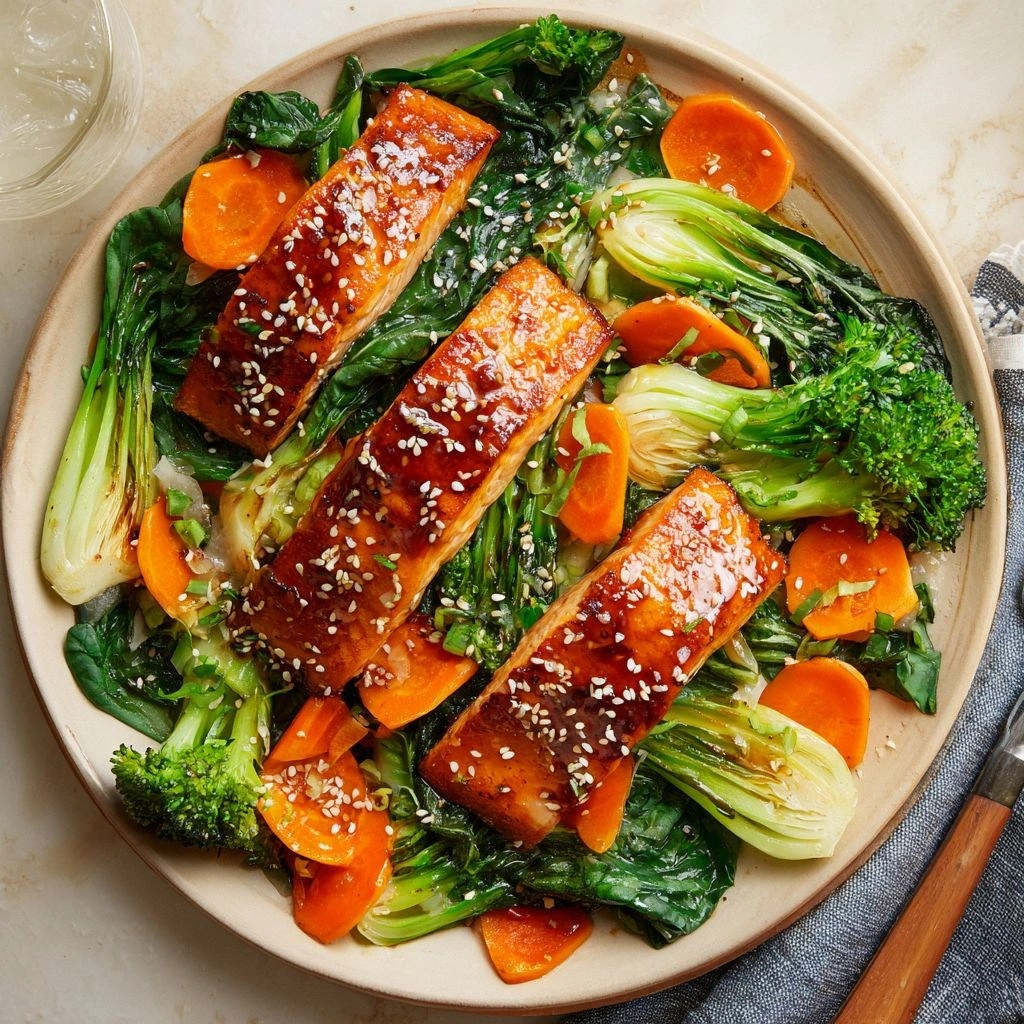
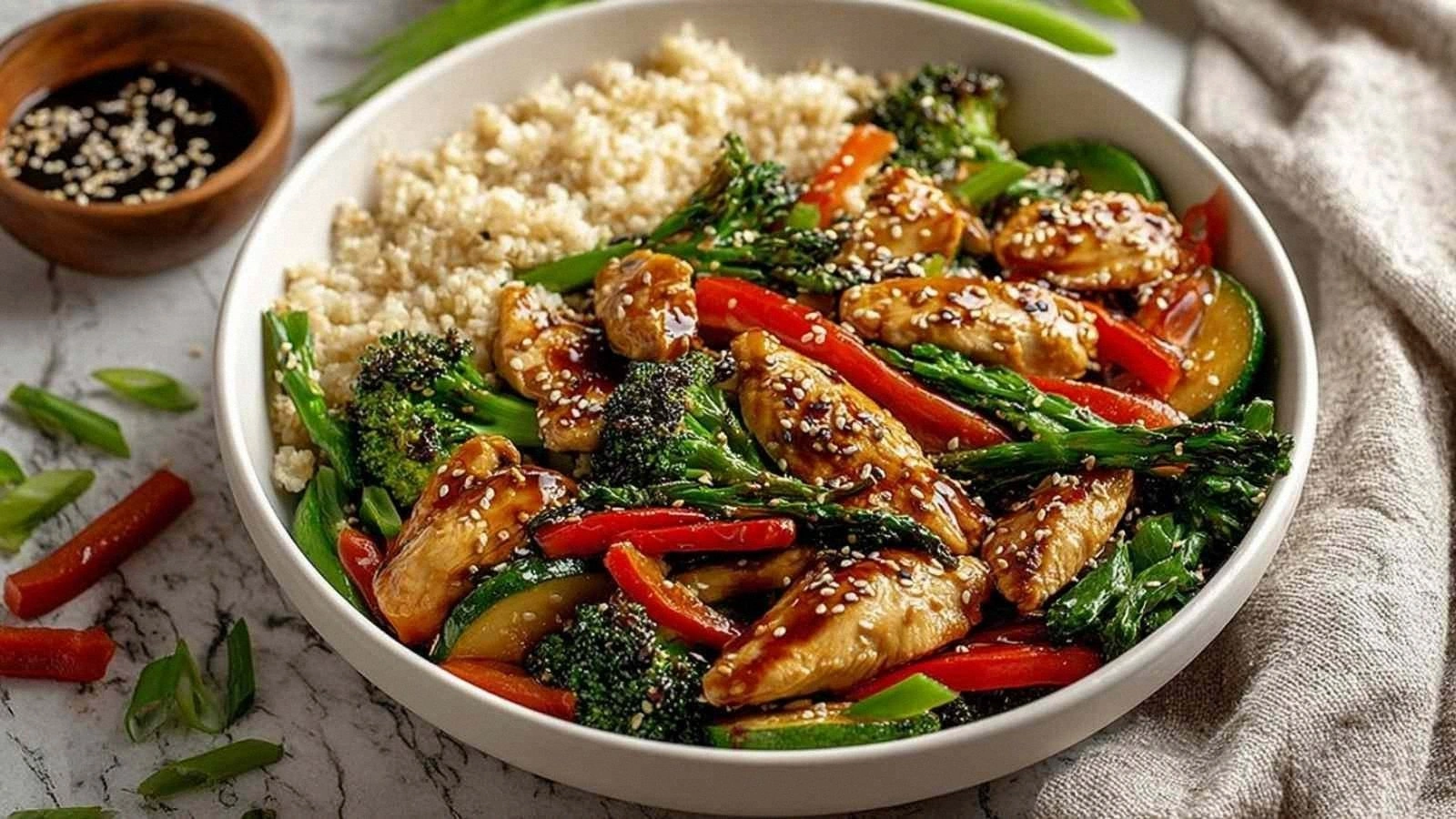
- Finish with a sprinkle of green onions and sesame seeds, giving the dish a fresh, nutty finish. Serve immediately over steamed rice or cauliflower rice for a low‑carb option. The dish should look vibrant, with a glossy glaze and a fragrant aroma that invites everyone to dig in.
That's it — you did it. But hold on, I've got a few more tricks that'll take this to another level…
Insider Tricks for Flawless Results
The Temperature Rule Nobody Follows
Cooking at the right heat is the secret sauce to a perfect stir‑fry. Start at medium‑high to get that sear, then lower to medium once you add the sauce. If the heat is too low, the vegetables will steam and lose crunch; too high, and the sauce will burn. I’ve learned that a steady medium heat gives the best balance of sear and sauce integration.
Why Your Nose Knows Best
The aroma of garlic and ginger is a reliable indicator of timing. When the scent hits just right, it means the aromatics have released their oils without burning. Trust your nose; if it smells too sharp, let the pan cool a bit. A well‑timed aroma translates to a well‑flavored dish.
The 5‑Minute Rest That Changes Everything
Letting the chicken rest for 5 minutes after cooking allows the juices to redistribute, keeping the meat moist and tender. Skipping this step can result in dry, rubbery chicken that clings to the pan. Even a short pause makes a noticeable difference in texture.
Use a Splatter Guard
A splatter guard keeps oil from flying all over the stove, which can lead to a smoky mess and potential fire hazard. It also protects the pan from excess oil, making cleanup easier. I always keep one handy during high‑heat cooking.
Finish with a Dash of Lemon Juice
A splash of fresh lemon juice right before serving brightens the dish and cuts through the richness. It adds a zesty pop that lifts the flavors. I love to add it at the very end, just before plating.
Creative Twists and Variations
Thai Coconut Twist
Replace the soy sauce with coconut aminos and add a splash of coconut milk for a creamy, tropical flavor. Swap the sesame seeds for toasted coconut flakes. This version pairs beautifully with jasmine rice and a squeeze of lime.
Spicy Sriracha Kick
Stir in a tablespoon of Sriracha or fresh red pepper flakes to give the dish a fiery punch. Reduce the honey slightly to balance the heat. This variation is perfect for those who love a spicy bite.
Veg‑Heavy Buddha Bowl
Drop in extra veggies like snow peas, zucchini, or bell pepper strips. Serve over quinoa or brown rice for a wholesome, plant‑forward meal. The sauce still glazes everything, so the dish stays cohesive.
Cheese‑Lover’s Edition
After removing the chicken, sprinkle shredded mozzarella or pepper jack over the hot vegetables. Let it melt briefly before adding the chicken back in. The cheese adds a creamy layer that contrasts the crisp veggies.
Low‑Carb Keto Version
Serve the stir‑fry over cauliflower rice instead of regular rice. Increase the amount of broccoli to keep the volume. This keeps the dish low in carbs while maintaining the same delicious flavor profile.
Gluten‑Free Finale
Use tamari instead of soy sauce and ensure your cornstarch is certified gluten‑free. The dish remains safe for those with celiac disease while still offering that savory depth.
Storing and Bringing It Back to Life
Fridge Storage
Cool the stir‑fry completely before transferring to an airtight container. Store in the refrigerator for up to 3 days. The sauce may thicken slightly; a splash of water or broth will restore the original texture.
Freezer Friendly
Pack the dish in freezer‑safe containers, leaving a little space for expansion. Freeze for up to 2 months. When ready to eat, thaw overnight in the refrigerator and reheat gently.
Best Reheating Method
Reheat in a skillet over medium heat, adding a tablespoon of water or broth to loosen the sauce. Stir frequently to prevent sticking. Finish with a sprinkle of fresh green onions for a fresh burst of flavor.